


#UKRAINE
Video:
Video:
Last edited:


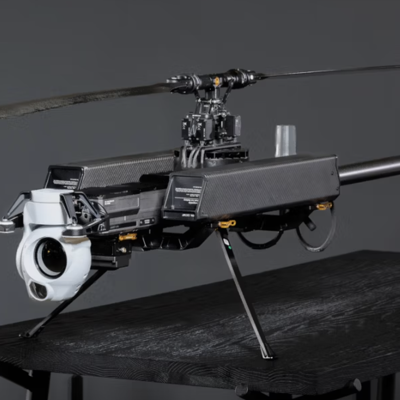
A new tranche of drones—incuding at least one being used against Russia in Ukraine—will join the Pentagon’s Replicator effort to accelerate the deployment of cheap autonomous systems, Deputy Defense Secretary Kathleen Hicks announced Wednesday.
Tranche 1.2 “will include systems in the air and maritime domains, as well as integrated software enablers that will enhance the autonomy and resilience of other Replicator systems,” the Defense Department said in a statement.
Among them: Anduril Industries’ Ghost-X and the Performance Drone Works C-100 UAS, as well as classified drones that include “low-cost long-range strike capabilities and maritime uncrewed systems,” according to the release.
 www.defenseone.com

 m.jpost.com


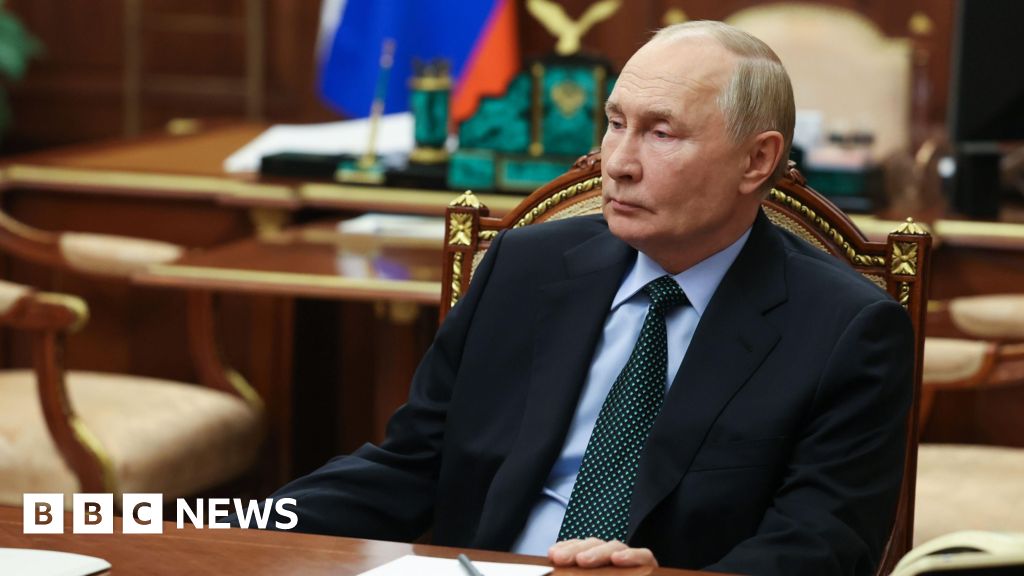
Vladimir Putin has approved changes to Russia’s nuclear doctrine, setting out new conditions under which the country would consider using its arsenal.
The doctrine now says an attack from a non-nuclear state, if backed by a nuclear power, will be treated as a joint assault on Russia.
The update was proposed in September and rubber stamped on Tuesday, the 1,000th day of the war with Ukraine.
It also follows Washington’s decision on Monday to allow Ukraine to fire long-range US missiles into Russia.
Under the changes, a large attack on Russia with conventional missiles, drones or aircraft could meet the criteria for a nuclear response, as could an attack on Belarus or any critical threat to Russia's sovereignty.
Any aggression against Russia by a state which is a member of a coalition would be seen by Moscow as aggression from the whole group.
The updates expand the number of countries and coalitions, and the kinds of military threats, subject to a possible nuclear response, according to state-run news agency Tass.
Putin has threatened the use of nuclear weapons before, and Ukraine has criticised it as "nuclear sabre-rattling" to deter its allies from providing further support.
Announcing the change, the Kremlin urged other countries to study the changes.
"This is a very important text," Kremlin spokesperson Dmitry Peskov said, according to Tass, adding "it should become a subject to a very deep analysis".
On Monday, Russia warned of "an appropriate and tangible" response to US President Joe Biden's move to let Ukraine use ATACMS missiles to strike the country.
Such an attack inside Russian territory "would represent the direct involvement of the United States and its satellites in hostilities against Russia", a foreign ministry statement said.
Mr Peskov said on Tuesday that the new doctrine was published "in a timely manner" and that Putin had requested it be updated earlier this year so that it was "in line with the current situation", AP reported.
 www.bbc.com
#UPDATE
There is a possibility this is the first ATACMS strike on Russia during the war
Video:


Ukraine fires US-made longer-range missiles into Russia for the first time


Another official says Russia was able to intercept 2 out 8 missiles fired by Ukrainians.(Not 5 of 6 missiles like the Russians claim, the official says)


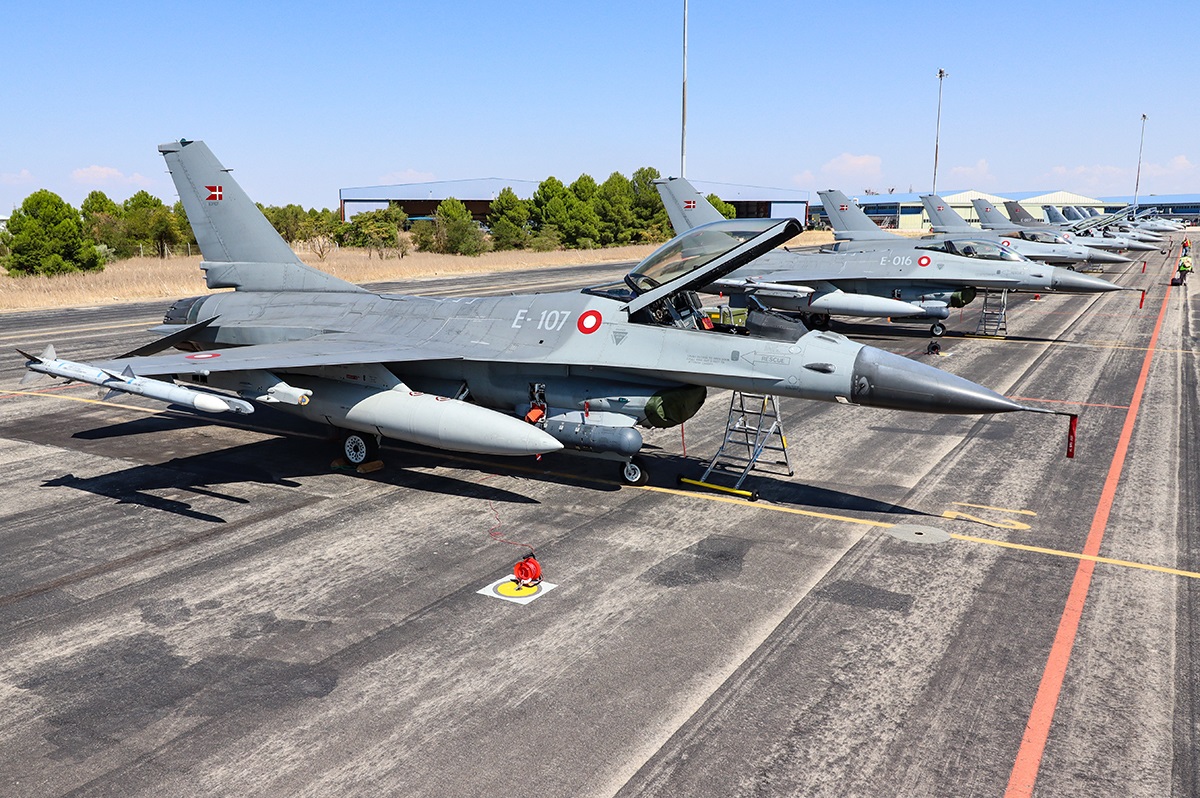
Denmark has already strengthened the Ukrainian Air Force with 6 F-16 multi-purpose fighters Danish Prime Minister Mette Frederiksen announced this at a press conference in Kyiv.
When asked to clarify plans regarding the transfer of fighter jets to Ukraine, Frederiksen said that "our plans for the F-16 have not changed."
Denmark has committed to transfer 19 F-16 aircraft, which were modernized in the 2000s under the Mid-Life Update (MLU) program.
During the MLU program, the future Ukrainian fighters were overhauled and received, in particular, a more modern AN/APG-66(V)2 radar.
As you know, Denmark together with the Netherlands headed the international "coalition of fighter jets", within which Ukrainian specialists are mastering the F-16.
In September, Danish Defense Minister Troels Lund Poulsen said that Ukraine will receive a second batch of Danish fighter jets by the end of 2024.
 mil.in.ua
MOSCOW, Nov 19 (Reuters) - Russia has begun serial production of mobile bomb shelters that can protect against a variety of threats including shockwaves and radiation from a nuclear blast.
The emergency ministry's research institute said the "KUB-M" shelter could offer protection for 48 hours against these and other natural and man-made hazards.
Among those it listed were: explosions and shrapnel from conventional weapons; falling debris from buildings; dangerous chemicals and fires.
The "KUB-M" looks like a reinforced shipping container and consists of two modules - a room for 54 people and a technical block. More modules can be added if needed, the institute said.


