

- Joined
- Mar 3, 2021
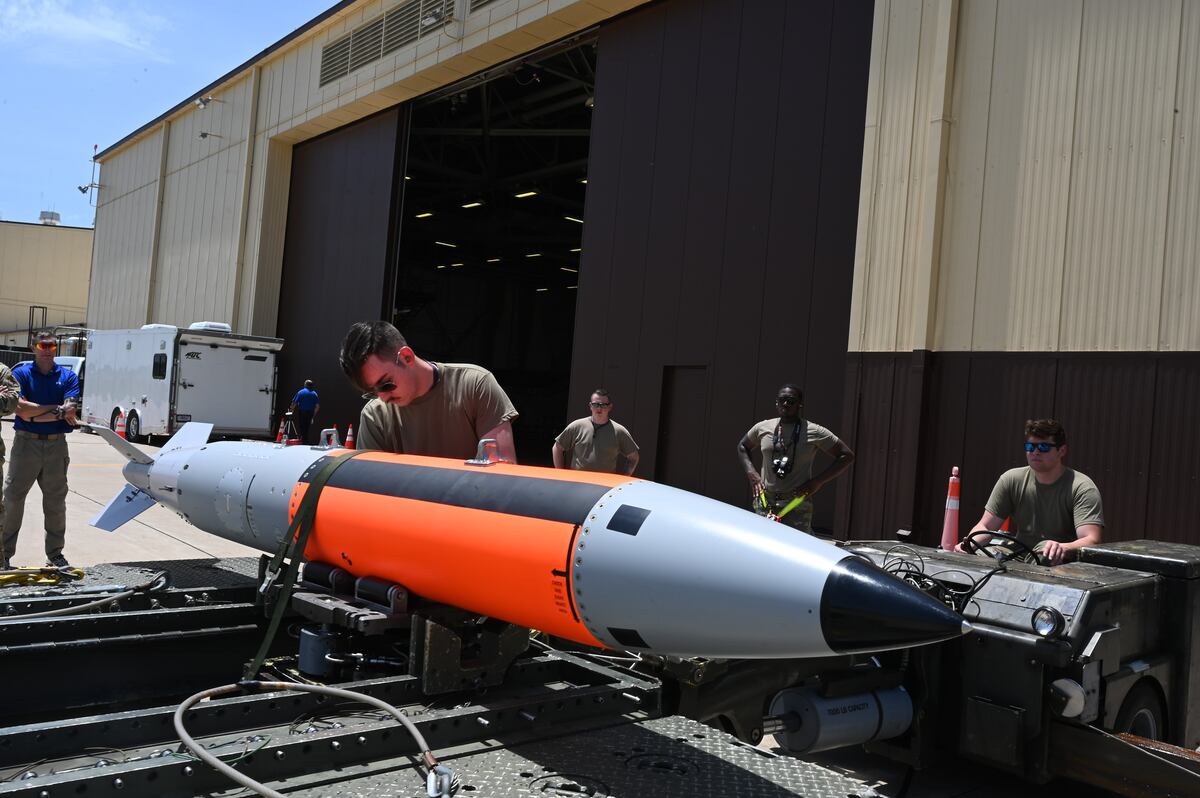
The Pentagon says it needs the B61-13 bomb to help hold certain underground hardened targets and large area ones at risk.
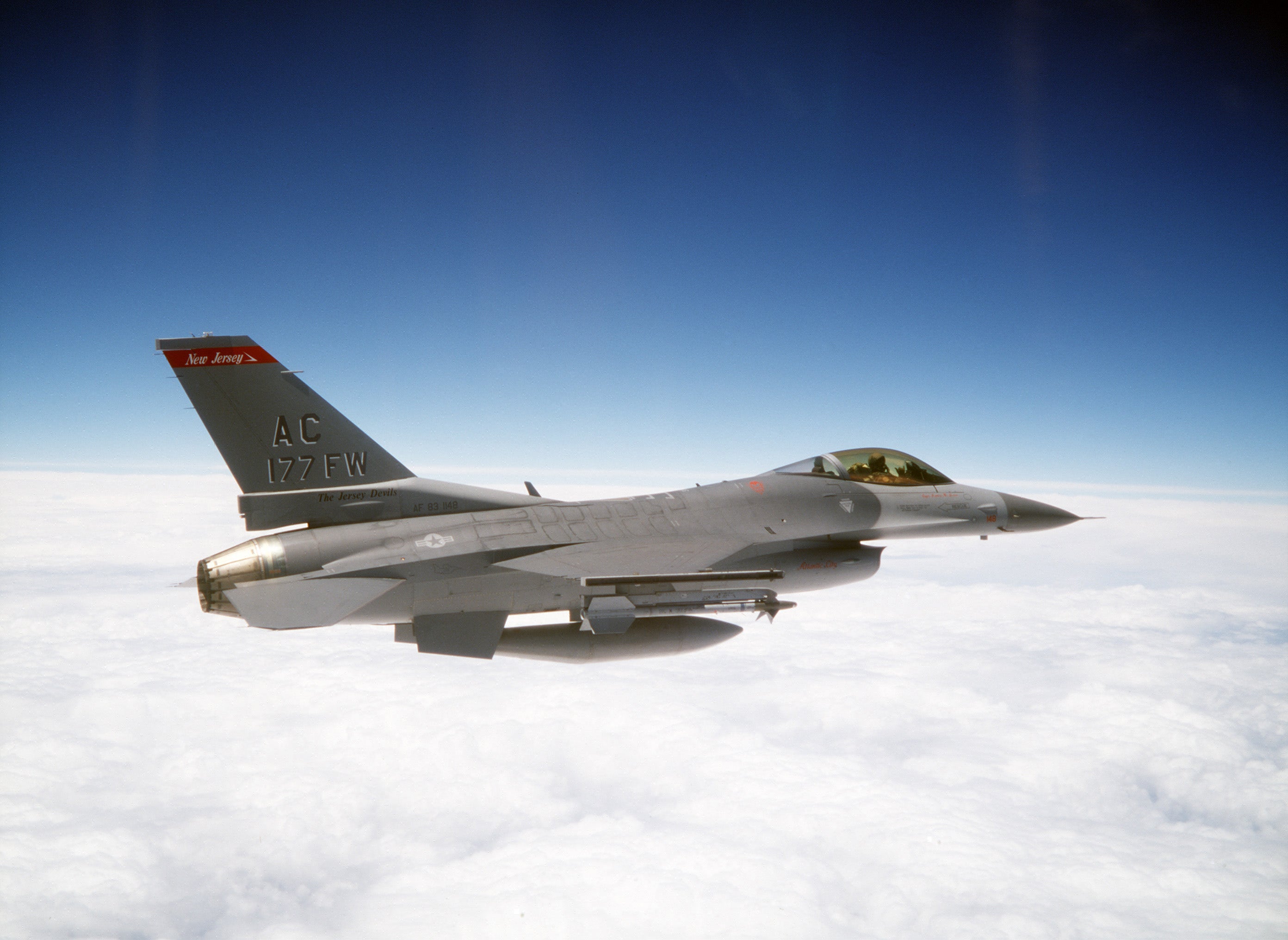
"The B61-13 would be deliverable by modern aircraft, strengthening deterrence of adversaries and assurance of allies and partners by providing the President with additional options against certain harder and large-area military targets. It would replace some of the B61-7s in the current nuclear stockpile and have a yield similar to the B61-7, which is higher than that of the B61-12."
The B61-7, like all B61 variants, is a so-called "dial-a-yield" design that can be set to detonate with various degrees of explosive force. The highest setting for this version is reportedly between 340 and 360 kilotons.
Beyond trying to finally get the B83-1 out of the stockpile. (The B83-1 is a much more powerful nuclear gravity bomb with a reported 1.2 megaton yield.)
other factors might have played into the decision to pursue the B61-13, including construction in Russia and China on subterranean command and control and other facilities. In 2021, Russian President Vladimir Putin confirmed construction of a new nuclear command and control bunker was almost complete. Russia already has two other known critical strategic nodes built underneath mountains.
For its part, China's People's Liberation Army (PLA) has notably been building huge hardened silo fields for intercontinental ballistic missiles. This is on top of a slew of underground facilities in China that house air, sea, and other key assets.

 www.thedrive.com
"The B61-13 would be deliverable by modern aircraft, strengthening deterrence of adversaries and assurance of allies and partners by providing the President with additional options against certain harder and large-area military targets. It would replace some of the B61-7s in the current nuclear stockpile and have a yield similar to the B61-7, which is higher than that of the B61-12."
The B61-7, like all B61 variants, is a so-called "dial-a-yield" design that can be set to detonate with various degrees of explosive force. The highest setting for this version is reportedly between 340 and 360 kilotons.
Beyond trying to finally get the B83-1 out of the stockpile. (The B83-1 is a much more powerful nuclear gravity bomb with a reported 1.2 megaton yield.)
other factors might have played into the decision to pursue the B61-13, including construction in Russia and China on subterranean command and control and other facilities. In 2021, Russian President Vladimir Putin confirmed construction of a new nuclear command and control bunker was almost complete. Russia already has two other known critical strategic nodes built underneath mountains.
For its part, China's People's Liberation Army (PLA) has notably been building huge hardened silo fields for intercontinental ballistic missiles. This is on top of a slew of underground facilities in China that house air, sea, and other key assets.
Plans For More Destructive B61 Nuclear Bomb Unveiled
The Pentagon says it needs the B61-13 bomb to help hold certain underground hardened targets and large area ones at risk.
www.thedrive.com