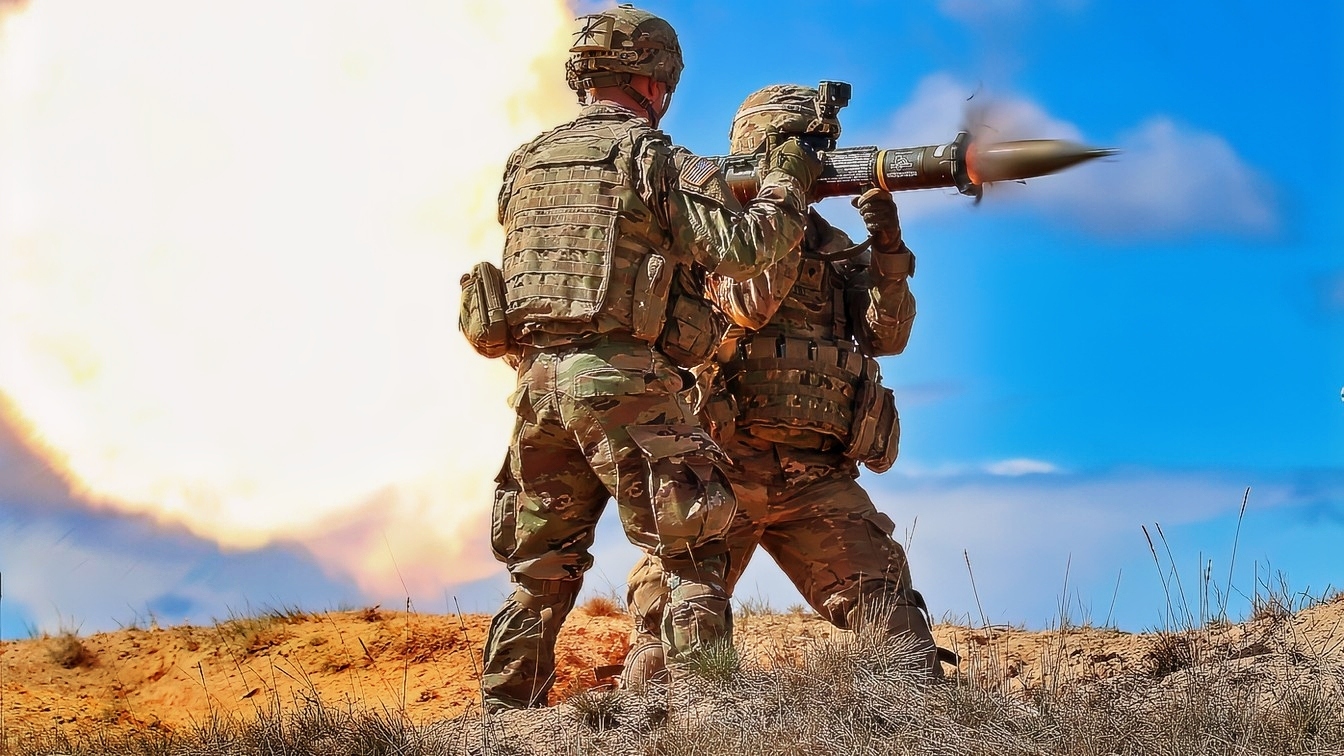
Restoring deterrence does not require a return to open-ended occupations or unlimited deployments of combat forces. The Powell Doctrine remains the gold standard: apply overwhelming force, which includes ground forces when required, to achieve a clearly stated objective and then leave. But in the current Iranian theater, the opportunity for strategic ambiguity has passed. Had the United States deployed a substantial ground package early in the crisis, it would have broadcast a fundamentally different message. Instead, by deliberately capping the ground combat deployment at a highly specialized footprint in the range of 6,000 to 8,000 Marines, paratroopers, and special operations forces, the United States didn’t just avoid a wider war—it explicitly quantified the absolute limit of the Commander-in-Chief’s available options. The boundary of American commitment is no longer implied; it is visibly staked on the ground. The result is not peace. It is a world in which the United States retains enormous destructive capacity yet finds it increasingly difficult to translate that capacity into durable political outcomes.




nationalsecurityjournal.org