

- Joined
- Mar 3, 2021
Offices went dark. Liverpool Street’s information boards failed. Shops were unable to take payments. Rail operations were disrupted because platform lighting went down.
The official explanation is an underground electricity cable fault. But London is one of the most important financial and transport centers in the world. So the real question is not simply: WHY DID THE POWER FAIL? It is: WHAT HAPPENED TO THE RESILIENCE SYSTEMS WHEN IT DID?
Major buildings, transport hubs and financial institutions are expected to have layers of backup power — UPS systems, generators and redundant supplies. Yet basic services still disappeared.
Which systems were protected? Which were not? Did generators activate correctly? Were buildings depending on a single electricity route? Were communications, security systems or CCTV affected? And how did one underground cable failure disrupt such a wide area of the capital?
There is currently no evidence that this was anything other than an infrastructure fault. But that does not make the resilience question disappear. If a routine cable failure can knock out payments, station information, office power and rail infrastructure across one of the world’s most important cities, what happens during a much larger emergency?
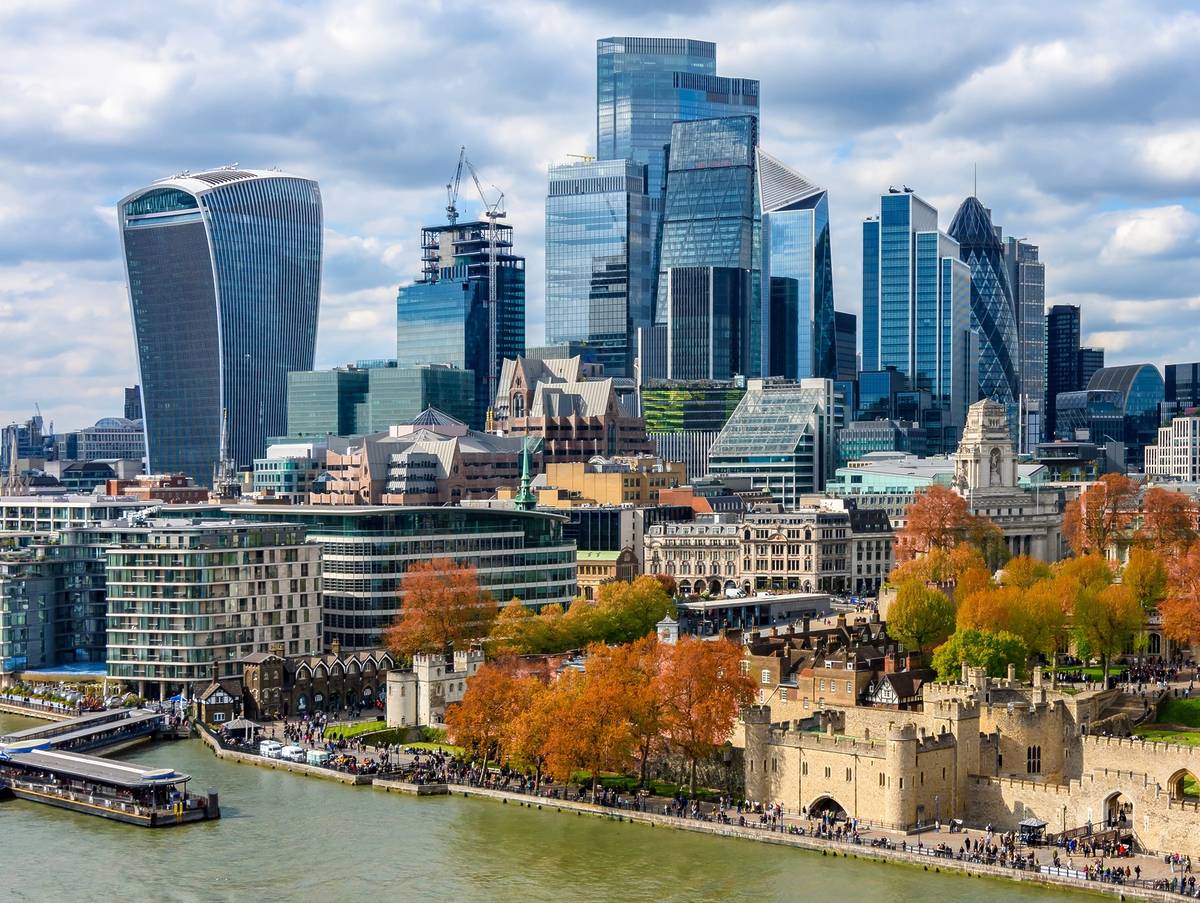
Electricity outage: Power cut hits major part of London – full list of affected postcodes
A major power cut has hit central and east London after a fault on an underground cable, affecting 32 postcodes. See the full list of areas impacted and when power is expected back.secretldn.com
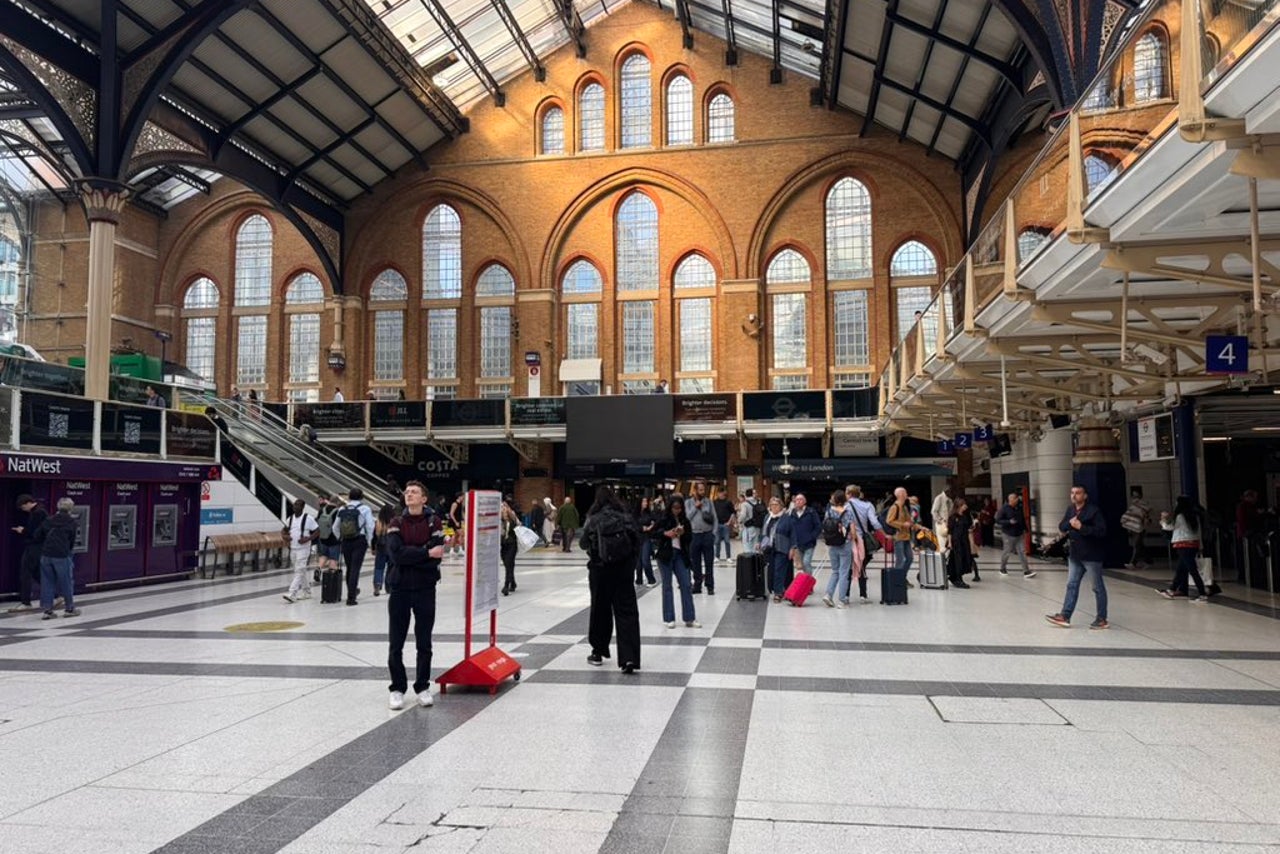
Central London hit by mass power cut with 32 postcodes affected - AOL
Buildings in central London lost power this morning in a widespread outagewww.aol.com