

• Guests may view all public nodes. However, you must be registered to post.

A top lithium expert agrees with Elon Musk that there’s not enough of the crucial metal to meet booming demand

Interesting how they wrote that article. Shoot down what exists
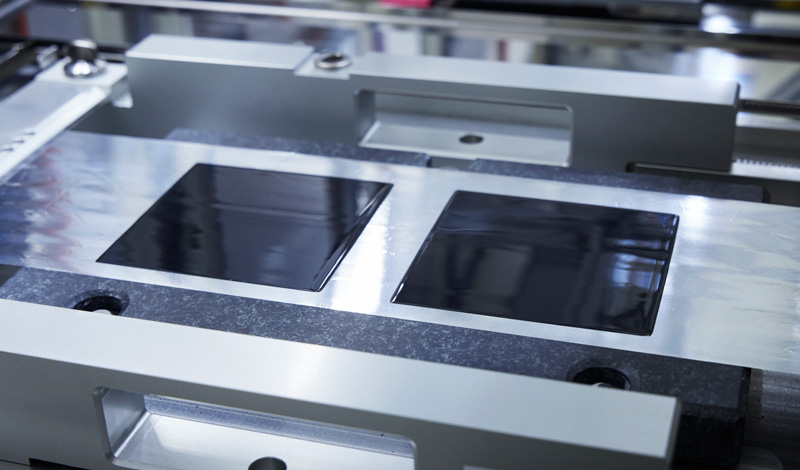
Eg. Twice as good as conventional lithium- ion batteries.
Eg. No toxic or dangerous materials.
Yet they fail to state materials used and pretty much anything else about the product besides repeating the name. Spent fuel 😅🤔🙄
 
Yep and electric vehicles will cause just as much damage to environment as traditional fuel powered vehicles. People don't realise that most electric vehicles have between 4-8 batteries minimum for small to medium size vehicles. Those batteries will never be cheaper than $8-10,000 each. They need replacing approximately every 6 yrs. That is $40-80,000 . The average family could never afford that. Absolutely ridiculous and very deceitful. Save the planet is lies lies and more lies. No honesty .
Don't disagree. I have seen a quote of AU$28,000 to replace a battery pack that has failed just out of waranty and that was for a hybrid taxi. At least they could write it off as a buisness expense but the average family could not afford that. Battery technology is still very iffy although I am writing this off battery power from a solar/batttery backup system. (20kw of power)
 
Interesting how they wrote that article. Shoot down what exists
Eg. Twice as good as conventional lithium- ion batteries.
Eg. No toxic or dangerous materials.
Yet they fail to state materials used and pretty much anything else about the product besides repeating the name. Spent fuel 😅🤔🙄
The trouble is fuel cell technology has needed a lot of development although concept is good. Played with some in the mid 1980s that used pure platinum electrodes. Problem is that the electrolye used for the oxidative electron transfer often easily got contaminated with use and then there was the hydrogen embrittlement issue. Major issues that need to be solved to bring long term viability of the cell into the picture.
 
And wait a minute didnt we manage a change of government recently in Bolivia due to lithium deposits and their recalcitrance to open their leg....oops, sorry, arms...to the mining companies?

Sorry I get confused after having read a post about world vagina day somewhere recently.....
Sorry, didn't mean to get you excited. :ROFLMAO:
 
Don't disagree. I have seen a quote of AU$28,000 to replace a battery pack that has failed just out of waranty and that was for a hybrid taxi. At least they could write it off as a buisness expense but the average family could not afford that. Battery technology is still very iffy although I am writing this off battery power from a solar/batttery backup system. (20kw of power)
Is your solar system just backup? Would you recommend it, because I'm thinking of doing that.
 
The trouble is fuel cell technology has needed a lot of development although concept is good. Played with some in the mid 1980s that used pure platinum electrodes. Problem is that the electrolye used for the oxidative electron transfer often easily got contaminated with use and then there was the hydrogen embrittlement issue. Major issues that need to be solved to bring long term viability of the cell into the picture.
The one thing that is being overlooked is the recharge on the batteries. It uses a huge amount of amperage to recharge those things, which in turn will stress the grid system even more. Electric cars are not the answer. I forget the process, but there is a way that water can be used to be broken down into hydrogen, and the exhaust is nothing but little drips of water, so it really wouldn't deplete the water supplies in the world. There are a few experimental cars that have done this in the past, but I figure that the other power companies bought out the inventors. That's usually what happens.
 
The one thing that is being overlooked is the recharge on the batteries. It uses a huge amount of amperage to recharge those things, which in turn will stress the grid system even more. Electric cars are not the answer. I forget the process, but there is a way that water can be used to be broken down into hydrogen, and the exhaust is nothing but little drips of water, so it really wouldn't deplete the water supplies in the world. There are a few experimental cars that have done this in the past, but I figure that the other power companies bought out the inventors. That's usually what happens.
The thing is it takes electricity to split the water molecule into hydrogen and o2. It is not necessarily very energy efficient yet in the production.
 
Is your solar system just backup? Would you recommend it, because I'm thinking of doing that.
Personally, I wouldn't make the investment. 1. It's too expensive for the return 2. One hail storm will more than likely wipe out the panels 3. you have to depend on full sun to get the best benefit. 4. Even a strong lightning strike close by, (due to the similar emp effect) will wipe out the circuitry. Look at how long it takes just to charge up a simple 5 volt cell phone battery using solar. That ought to be a good clue right there.
 
The thing is it takes electricity to split the water molecule into hydrogen and o2. It is not necessarily very energy efficient yet in the production.
I remember it's called something like electrolisis (terrible spelling) But, I really don't know details. I just remember it from high school, and that was 50 years ago.
 
Personally, I wouldn't make the investment. 1. It's too expensive for the return 2. One hail storm will more than likely wipe out the panels 3. you have to depend on full sun to get the best benefit. 4. Even a strong lightning strike close by, (due to the similar emp effect) will wipe out the circuitry. Look at how long it takes just to charge up a simple 5 volt cell phone battery using solar. That ought to be a good clue right there.
Charges 20kw battery from 10% in about 3 hours but rarely ever gets that low. Only if I run air conditioning all night. Rest goes back into grid. Have been effectively grid independent for a while. Went this way after recent blackout for about 4 to 5 weeks following tropical storm. Has been further blackouts since and have really been glad I have the system in place now. Run a server so need constant power. Have had hail storms and with the high impact strength panels have had no damage but neighbours had to get roof replaced due to hail damage so need to make careful choices when getting panels. Yes economics is an issue but is getting cheaper. Grid power is getting more expensive so the balance is getting more acceptable but economics is not the only reason for decisions for such power systems.
 
The thing is it takes electricity to split the water molecule into hydrogen and o2. It is not necessarily very energy efficient yet in the production.
The high amperage recharging also shortens battery life so it is a balance between recharge time that is acceptable and the battery life. Trickle charging apparently preserves the best battery life but how long can you afford to wait to get your car charged.
 
Is your solar system just backup? Would you recommend it, because I'm thinking of doing that.
The solar system provides most of the power I use. Last quarterly bill was AU$29 or there abouts. Available power of course drops during cloudy/raininy weather but generally use less power on those type of days anyway. Also use solar hot water and can go about 3 days of rain before having to use power to heat. It is all about compromise and balance. Really appreciated hot water after blackout following tropical storm. Had to use gas and my go pack stuff to cook and prepare meals but at least I could still have hot showers.
 
Back
Top Bottom