• Guests may view all public nodes. However, you must be registered to post.

DEFCON 4 - Russia / Ukraine / NATO - REPORTS ONLY

RiffRaff

Deputy Director
Staff member
Donator
Joined
Apr 7, 2016
Location
Indiana, US
Splitting threads with higher threat level. I'm not going to micromanage comments in a Reports thread, but let's try to keep them to a minimum, please.
 
Royal Navy warships are now facing electronic warfare as they intercept Russian vessels around British waters.

Satellite signals have been jammed on patrol ships such as HMS Tyne, which are carrying out an “unprecedented” number of missions off the UK coast

Lieutenant Commander Sam Fields said Tyne has executed 30 missions so far this year, amounting to 182 days on operations

The captain has seen “more irregular activity” from Russian crews recently, including GPS jamming, drone launches, and live firing drills

HMS Tyne, a patrol boat, regularly goes toe-to-toe with the Russian frigate Neustrashimy, which is double its size and much more heavily armed

Despite the lack of available British frigates and destroyers to deter Russians, the captain said working with Nato allies and developing a Hybrid Navy evens the odds

 
❗According to the Wall Street Journal, Ukraine has used the Israeli satellite communication system HiSKY for key strikes, including on the Crimean Bridge. HiSKY works in Russia, unlike Starlink, but requires technical specialists for operation, limiting its use to high-priority missions. Many Ukrainian drones are initially tuned for SpaceX services and require reequipment to use HiSKY.
 
Germany urges Ukraine to exercise restraint in the Baltic Sea, per Spiegel:

(summary):
1. The German government fears that Ukrainian attacks on Russian ships and oil infrastructure in the Baltic Sea could widen the war and trigger a dangerous escalation involving NATO.

2. Berlin has reportedly urged Ukraine to exercise restraint in the Baltic Sea, warning that further attacks could undermine German public support for military aid to Kyiv.

3. During a meeting with Ukrainian Defence Minister Yevhen Khmara, German Defence Minister Boris Pistorius stressed that Ukraine had the right to strike Russian military targets **but also had a responsibility to prevent the war from spreading into the Baltic Sea. **

4. Ukrainian officials have warned that every Russian attack will be met with a stronger Ukrainian response, **without ruling out the Baltic Sea as a potential area of operations. **

5. German officials fear that Russia could respond more aggressively to attacks on its Baltic Sea shipping routes and potentially accuse NATO of assisting Ukraine, raising the risk of a wider confrontation.

6. Privately, Pistorius told Kyiv that more attacks on Russian targets there risked escalating the war and eroding German public support for military aid
 
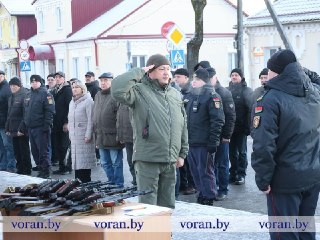
Belarus begins large scale readiness-checks for people's militias on the border with Lithuania. Militia members will undergo training in tactics required to carry out duties related to enforcing a martial law regime within the district.
 
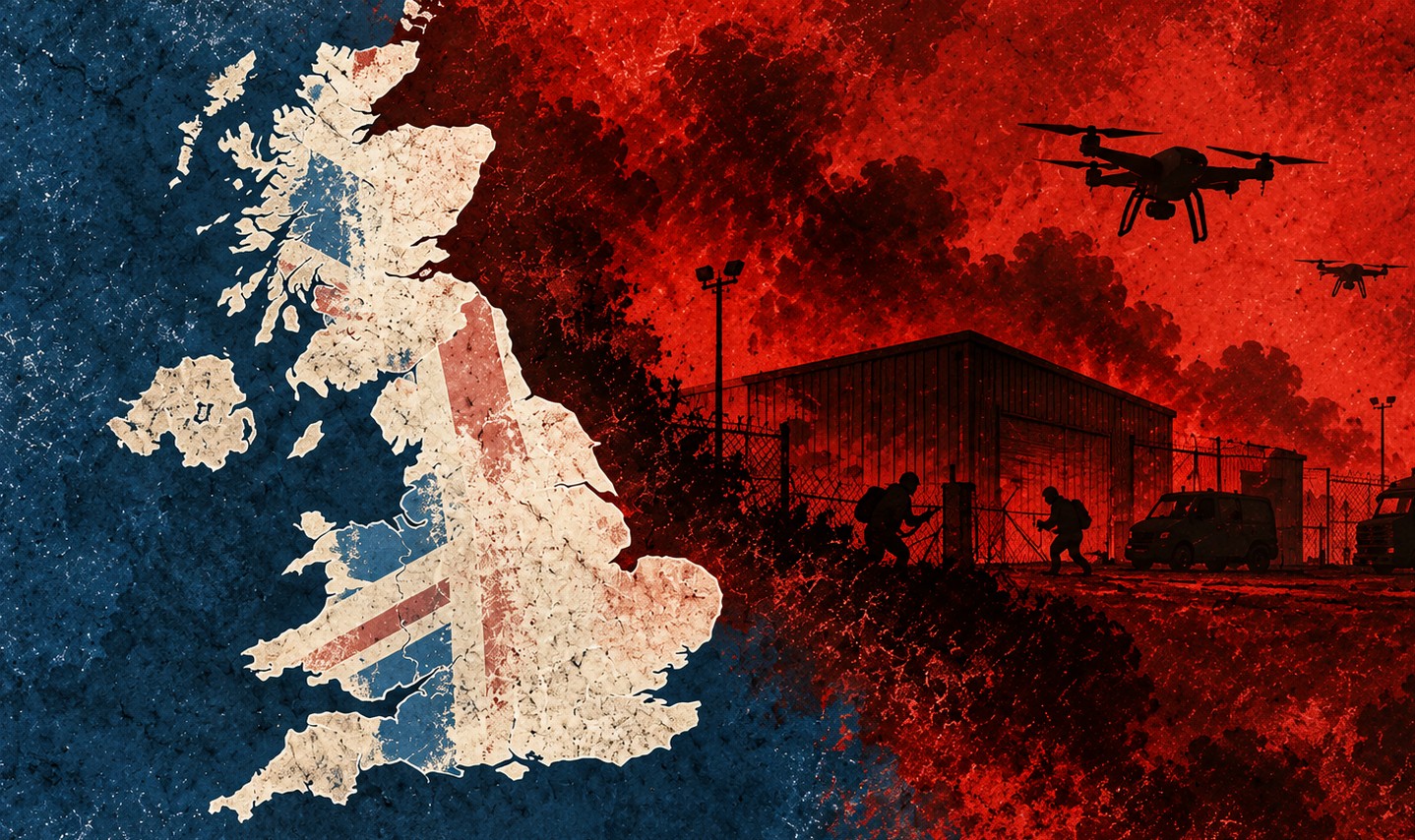
Conservative MP Stuart Anderson asked what assessment had been made of levels of hostile activity below the threshold of armed conflict directed against the UK.

Sandher-Jones, Minister for the Armed Forces, said: “As the Director General of MI5 has stated, the Security Service’s work on state threats has quadrupled over the past decade and now requires greater resource than at any point during the Cold War. Such activity includes espionage, political interference, sabotage, cyber activity and the use of proxies, often deliberately conducted below the threshold of armed conflict.”

 
In the event of a Russian armed provocation, Poland is ready to immediately send troops to the Baltic states - without waiting for the formal activation of Art. 5 NATO.

According to the findings of Onet journalist Witold Jurasz, based on conversations with Donald Tusk's government's ministers, in the event of limited Russian aggression (e.g. the occupation of a small border town in Estonia, Latvia or Lithuania), Warsaw considered two scenarios: humanitarian support or direct military involvement.

Government sources indicate a preference for the second variant - the immediate sending of armed forces.

 
Back
Top Bottom