



New US Sentinel ICBM’s Nose Shroud Separation Test A Flying Success
 www.twz.com
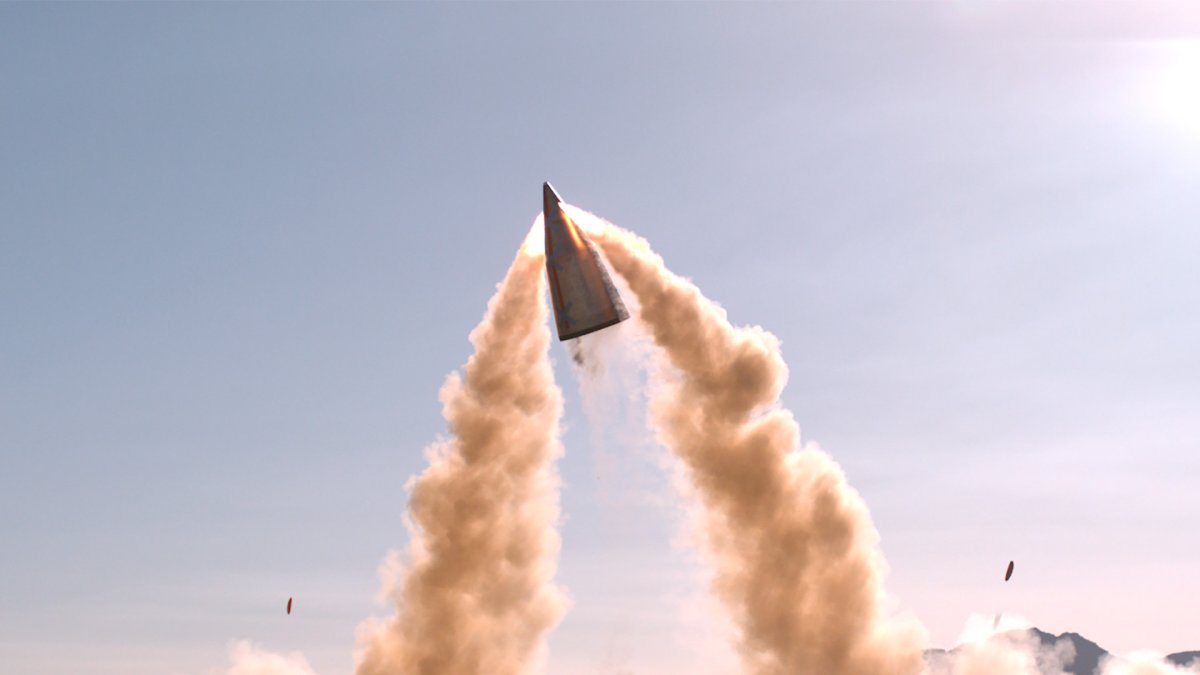
The safe separation of the Sentinel ICBM’s top ‘shroud,’ under which the nuclear warhead sits, is an essential part of how the missile works.
the U.S. Air Force's new LGM-35 Sentinel intercontinental ballistic missile (ICBM) flying off in a test. This is a critical part of how the missile functions, with this "shroud" needing to safely detach before the nuclear warhead underneath can be released onto its target. The successful test comes as the Sentinel program has been facing serious challenges and billions of dollars in cost overruns, though these issues are largely tied to infrastructure modernization demands and not the missile itself.
The successful LGM-35 shroud "fly-off" test took place at the U.S. Navy's sprawling Naval Air Weapons Station China Lake test base in California, according to a press release put out today. Additional testing involving the upper and lower stages of the Sentinel missile has also recently occurred at Northrop Grumman's Strategic Missile Test and Production Complex in Promontory, Utah, the release added. In addition to the shroud test, this included a "stack test" demonstrating how lower stages of the missile would be expected to perform during an actual flight. This all follows other successful testing of the Sentinel's rocket motors and other components of the missile in the past year.
New Sentinel ICBM's Nose Shroud Separation Test A Flying Success
The safe separation of the Sentinel ICBM's top 'shroud,' under which the nuclear warhead sits, is an essential part of how the missile works.
www.twz.com