

-
Guests may view all public nodes. However, you must be registered to post.
You are using an out of date browser. It may not display this or other websites correctly.
You should upgrade or use an alternative browser.
You should upgrade or use an alternative browser.
Russian Sanction Effects | 2022
- Thread starter Totality 🇺🇦 🇮🇱
- Start date

EU COUNCIL PRESIDENT:

- Joined
- Mar 11, 2022
As expected...
Hungary says ready to pay for Russian gas in roubles
French elections are April 10th-24th. I have no idea what happens if La Pen replaces Macron.
Hungary says ready to pay for Russian gas in roubles
French elections are April 10th-24th. I have no idea what happens if La Pen replaces Macron.


- Joined
- Oct 18, 2017
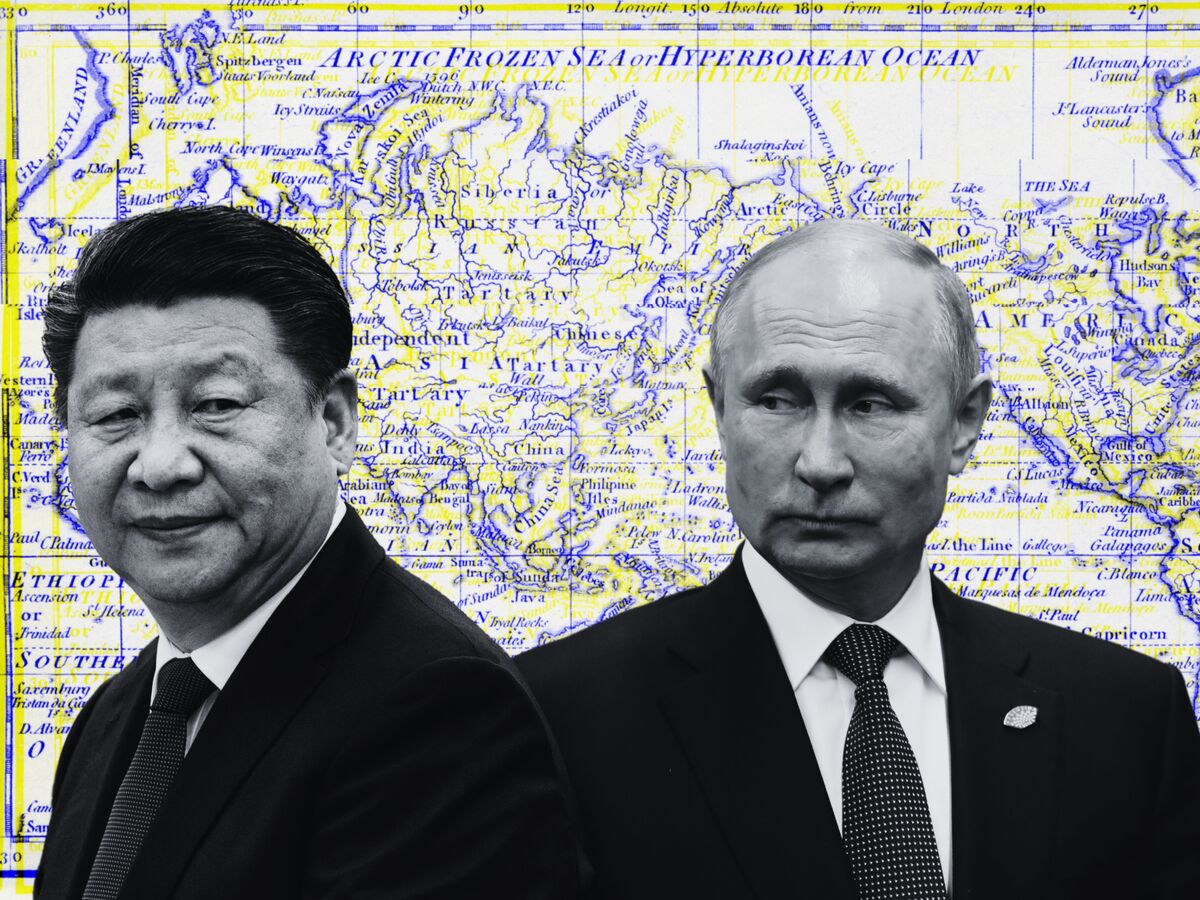
Sanctions and Globalism. Excerpts from Bloomberg's "Putin and Xi Exposed the Great Illusion of Capitalism" by John Micklethwait and Adrian Wooldridge
 www.bloomberg.com
.....
www.bloomberg.com
.....
Keynes’s Londoner, lounging in his bed, had at least this excuse: The end of his age of globalization came with little warning. In our case, globalization has been under sustained attack for two decades, with serious assaults in 2001 (when two planes, hitherto symbols of modernity, slammed into the World Trade Center); 2008 (when Lehman Brothers collapsed and the global financial system went into cardiac arrest); and 2016 (when the British voted to leave the world’s largest free-trade zone and Americans elected a nativist TV personality as president). The “decoupling” of the global economy into Chinese and Western portions has been gathering pace for some time. And the biggest drama before Ukraine was a virus that froze supply chains and forced the world into hibernation.
And yet, at the beginning of 2022, many of us shared the assumptions of Keynes’s Londoner. We ordered exotic goods in the confident expectation that Amazon would deliver them to our doors the next day. We invested in emerging-market stocks, purchased Bitcoin, and chatted with people on the other side of the world via Zoom. Many of us dismissed Covid-19 as a temporary suspension of our global lifestyle. Vladimir Putin’s “projects and politics of militarism” seemed like diversions in the loonier regions of the Twittersphere.
Now that we have been shaken awake, most of our attention is on the bloodshed in Ukraine, and rightly so. But just as World War I mattered for reasons beyond the slaughter of millions of human beings, this conflict could mark a lasting change in the way the world economy works — and the way we all live our lives, however far we are from the carnage in Eastern Europe. The “inevitable” integration of the world economy has slowed, and the various serpents in our paradise — from ethnic rivalries to angry autocracies to a generalized fury with the rich — are slithering where they will.
That doesn’t mean that globalization is an unalloyed good. By its nature, economic liberalism exaggerates the downsides of capitalism as well as the upsides: Inequality increases, companies sever their local roots, losers fall further behind, and — without global regulations — environmental problems multiply. Yet liberalism has also dragged more than a billion people out of poverty in the past three decades and, in many cases, promoted political freedom along with economic freedom. The alternatives, historically speaking, have been wretched. Right now, the outcome that we have been sliding toward seems one in which an autocratic East gradually divides from — and then potentially accelerates past — a democratic but divided West.
From this perspective, the answer to globalization’s woes isn’t to abandon economic liberalism, but to redesign it. And the coming weeks offer a golden opportunity to redesign the global economic order.
By any economic measure the West is significantly more powerful than the East, using the terms “West” and “East” to mean political alliances rather than just geographical regions. The U.S. and its allies account for 60% of global gross domestic product at current exchange rates; China, Russia and the autocracies amount to barely a third of that. And for the first time in years, the West is coming together rather than falling apart. This week, Joe Biden is traveling to Europe as the leader of the newly united and reinvigorated free world.
So far, for all his talk of uniting democracies, Biden has done little to highlight, let alone advance, the economic dimension of freedom. The question for Biden and the European leaders he will meet this week is simple: What sort of world do they want to build in the future? Ukraine could well mark the end of one great episode in human history. It could also be the time that the free world comes together and creates another, more united, more interconnected and more sustainable one than ever before. Seizing that opportunity will require an understanding of both economics and history.
....
We Didn’t Mean It
The Western policymakers meeting this week will say they have no intention of closing down the global order. All this economic savagery is to punish Putin’s aggression precisely in order to restore the rules-based system that he is bent on destroying — and with it, the free flow of commerce and finance. In an ideal world, Putin would be toppled — the victim of his own delusions and paranoia — and the Russian people would sweep away the kleptocracy in the Kremlin.
In this optimistic scenario, Putin’s humiliation would do more than bring Russia back to its senses. It would bring the West back as well. The U.S. would abandon its Trumpian isolationism while Europe would start taking its own defense seriously. The culture warriors on both sides of the Atlantic would simmer down, and the woke and unwoke alike would celebrate their collective belief in freedom and democracy. McDonald’s would be open again in Pushkin Square — and Keynes’s various serpents would slither out of the garden.
There’s a chance this could happen. Putin wouldn’t be the first czar to fall because of a misjudged and mishandled war. Many of Russia’s most powerful people are seeing their mansions, yachts and private planes confiscated, all for an invasion they weren’t consulted about. Younger Russians, particularly in the big cities, are more liberal than their parents. Russian shoppers don’t want to return to the Soviet era.
Meanwhile in the West, Ukraine has already prompted a great rethink. As German Chancellor Olaf Scholz has proclaimed, we are at a Zeitenwende — a turning point. Under his leadership, pacifist Germany has already proposed a defense budget that’s larger than Russia’s. Meanwhile, Ukrainian immigrants are being welcomed by nations that only a few months ago were shunning foreigners, and, after a decade of slumber in Brussels, the momentum for integration is increasing.There’s a chance this could happen. Putin wouldn’t be the first czar to fall because of a misjudged and mishandled war. Many of Russia’s most powerful people are seeing their mansions, yachts and private planes confiscated, all for an invasion they weren’t consulted about. Younger Russians, particularly in the big cities, are more liberal than their parents. Russian shoppers don’t want to return to the Soviet era.
Meanwhile in the West, Ukraine has already prompted a great rethink. As German Chancellor Olaf Scholz has proclaimed, we are at a Zeitenwende — a turning point. Under his leadership, pacifist Germany has already proposed a defense budget that’s larger than Russia’s. Meanwhile, Ukrainian immigrants are being welcomed by nations that only a few months ago were shunning foreigners, and, after a decade of slumber in Brussels, the momentum for integration is increasing.
But this turning point can still lead in several directions. The chances of a regime change in the Kremlin remain slim, given Putin’s popularity and terror machine. Western Europe has heard pious words about integration and immigration before. And look at the West’s leaders! Joe Biden hardly conveys an image of world-changing dynamism; after his initial heroics, Olaf Scholz greeted Volodymyr Zelenskiy’s speech to the German parliament with pudding-like inertia; Emmanuel Macron is bent on winning an election while trying to look like Zelenskiy, in hoodie and stubble; while Boris Johnson has dared to compare the Ukrainian resistance to Brexit.
As we wait for these giants to act, the facts on the ground are changing in economics as well as politics. In particular, the invasion of Ukraine is accelerating changes in both geopolitics and the capitalist mindset that are deeply inimical to globalization.
...
The changes in geopolitics come down to one word: China, whose rapid and seemingly inexorable rise is the central geopolitical fact of our time.
....
.... Keynes, no longer a protectionist, played a leading role in designing the International Monetary Fund, the World Bank, and the infrastructure of the postwar Western order of stable exchange rates. He helped persuade the U.S. to lead the world rather than retreating into itself. He helped create the America of the Marshall Plan. This Bretton Woods settlement created the regime that eventually won the Cold War and laid the foundations for the second age of globalization.
At the closing banquet on July 22, the great man was greeted with a standing ovation. Within two years he was dead — but the world that he did so much to create lived on. That world does not need to die in the streets of Kyiv. But it is on course to do so, unless the leaders meeting this week seize the moment to create something better.
Putin and Xi Exposed the Great Illusion of Capitalism
Unless the U.S. and its allies mobilize to save it, the second great age of globalization is coming to a catastrophic close.
www.bloomberg.com
Keynes’s Londoner, lounging in his bed, had at least this excuse: The end of his age of globalization came with little warning. In our case, globalization has been under sustained attack for two decades, with serious assaults in 2001 (when two planes, hitherto symbols of modernity, slammed into the World Trade Center); 2008 (when Lehman Brothers collapsed and the global financial system went into cardiac arrest); and 2016 (when the British voted to leave the world’s largest free-trade zone and Americans elected a nativist TV personality as president). The “decoupling” of the global economy into Chinese and Western portions has been gathering pace for some time. And the biggest drama before Ukraine was a virus that froze supply chains and forced the world into hibernation.
And yet, at the beginning of 2022, many of us shared the assumptions of Keynes’s Londoner. We ordered exotic goods in the confident expectation that Amazon would deliver them to our doors the next day. We invested in emerging-market stocks, purchased Bitcoin, and chatted with people on the other side of the world via Zoom. Many of us dismissed Covid-19 as a temporary suspension of our global lifestyle. Vladimir Putin’s “projects and politics of militarism” seemed like diversions in the loonier regions of the Twittersphere.
Now that we have been shaken awake, most of our attention is on the bloodshed in Ukraine, and rightly so. But just as World War I mattered for reasons beyond the slaughter of millions of human beings, this conflict could mark a lasting change in the way the world economy works — and the way we all live our lives, however far we are from the carnage in Eastern Europe. The “inevitable” integration of the world economy has slowed, and the various serpents in our paradise — from ethnic rivalries to angry autocracies to a generalized fury with the rich — are slithering where they will.
That doesn’t mean that globalization is an unalloyed good. By its nature, economic liberalism exaggerates the downsides of capitalism as well as the upsides: Inequality increases, companies sever their local roots, losers fall further behind, and — without global regulations — environmental problems multiply. Yet liberalism has also dragged more than a billion people out of poverty in the past three decades and, in many cases, promoted political freedom along with economic freedom. The alternatives, historically speaking, have been wretched. Right now, the outcome that we have been sliding toward seems one in which an autocratic East gradually divides from — and then potentially accelerates past — a democratic but divided West.
From this perspective, the answer to globalization’s woes isn’t to abandon economic liberalism, but to redesign it. And the coming weeks offer a golden opportunity to redesign the global economic order.
By any economic measure the West is significantly more powerful than the East, using the terms “West” and “East” to mean political alliances rather than just geographical regions. The U.S. and its allies account for 60% of global gross domestic product at current exchange rates; China, Russia and the autocracies amount to barely a third of that. And for the first time in years, the West is coming together rather than falling apart. This week, Joe Biden is traveling to Europe as the leader of the newly united and reinvigorated free world.
So far, for all his talk of uniting democracies, Biden has done little to highlight, let alone advance, the economic dimension of freedom. The question for Biden and the European leaders he will meet this week is simple: What sort of world do they want to build in the future? Ukraine could well mark the end of one great episode in human history. It could also be the time that the free world comes together and creates another, more united, more interconnected and more sustainable one than ever before. Seizing that opportunity will require an understanding of both economics and history.
....
We Didn’t Mean It
The Western policymakers meeting this week will say they have no intention of closing down the global order. All this economic savagery is to punish Putin’s aggression precisely in order to restore the rules-based system that he is bent on destroying — and with it, the free flow of commerce and finance. In an ideal world, Putin would be toppled — the victim of his own delusions and paranoia — and the Russian people would sweep away the kleptocracy in the Kremlin.
In this optimistic scenario, Putin’s humiliation would do more than bring Russia back to its senses. It would bring the West back as well. The U.S. would abandon its Trumpian isolationism while Europe would start taking its own defense seriously. The culture warriors on both sides of the Atlantic would simmer down, and the woke and unwoke alike would celebrate their collective belief in freedom and democracy. McDonald’s would be open again in Pushkin Square — and Keynes’s various serpents would slither out of the garden.
There’s a chance this could happen. Putin wouldn’t be the first czar to fall because of a misjudged and mishandled war. Many of Russia’s most powerful people are seeing their mansions, yachts and private planes confiscated, all for an invasion they weren’t consulted about. Younger Russians, particularly in the big cities, are more liberal than their parents. Russian shoppers don’t want to return to the Soviet era.
Meanwhile in the West, Ukraine has already prompted a great rethink. As German Chancellor Olaf Scholz has proclaimed, we are at a Zeitenwende — a turning point. Under his leadership, pacifist Germany has already proposed a defense budget that’s larger than Russia’s. Meanwhile, Ukrainian immigrants are being welcomed by nations that only a few months ago were shunning foreigners, and, after a decade of slumber in Brussels, the momentum for integration is increasing.There’s a chance this could happen. Putin wouldn’t be the first czar to fall because of a misjudged and mishandled war. Many of Russia’s most powerful people are seeing their mansions, yachts and private planes confiscated, all for an invasion they weren’t consulted about. Younger Russians, particularly in the big cities, are more liberal than their parents. Russian shoppers don’t want to return to the Soviet era.
Meanwhile in the West, Ukraine has already prompted a great rethink. As German Chancellor Olaf Scholz has proclaimed, we are at a Zeitenwende — a turning point. Under his leadership, pacifist Germany has already proposed a defense budget that’s larger than Russia’s. Meanwhile, Ukrainian immigrants are being welcomed by nations that only a few months ago were shunning foreigners, and, after a decade of slumber in Brussels, the momentum for integration is increasing.
But this turning point can still lead in several directions. The chances of a regime change in the Kremlin remain slim, given Putin’s popularity and terror machine. Western Europe has heard pious words about integration and immigration before. And look at the West’s leaders! Joe Biden hardly conveys an image of world-changing dynamism; after his initial heroics, Olaf Scholz greeted Volodymyr Zelenskiy’s speech to the German parliament with pudding-like inertia; Emmanuel Macron is bent on winning an election while trying to look like Zelenskiy, in hoodie and stubble; while Boris Johnson has dared to compare the Ukrainian resistance to Brexit.
As we wait for these giants to act, the facts on the ground are changing in economics as well as politics. In particular, the invasion of Ukraine is accelerating changes in both geopolitics and the capitalist mindset that are deeply inimical to globalization.
...
The changes in geopolitics come down to one word: China, whose rapid and seemingly inexorable rise is the central geopolitical fact of our time.
....
.... Keynes, no longer a protectionist, played a leading role in designing the International Monetary Fund, the World Bank, and the infrastructure of the postwar Western order of stable exchange rates. He helped persuade the U.S. to lead the world rather than retreating into itself. He helped create the America of the Marshall Plan. This Bretton Woods settlement created the regime that eventually won the Cold War and laid the foundations for the second age of globalization.
At the closing banquet on July 22, the great man was greeted with a standing ovation. Within two years he was dead — but the world that he did so much to create lived on. That world does not need to die in the streets of Kyiv. But it is on course to do so, unless the leaders meeting this week seize the moment to create something better.


- Joined
- Oct 1, 2016
Isn’t it interesting how nationalist in one country are patriots fighting for their homes. Yet nationalist in another are dangerous fascist. Of course that also depends on the viewers alliances as well.As expected...
Hungary says ready to pay for Russian gas in roubles
French elections are April 10th-24th. I have no idea what happens if La Pen replaces Macron.
Orban I get kinda. I believe their nationalist tendencies to protect their countries best interest and culture are genuine. And I understand why they push back on some of the EU’s more oppressive dictums. But so has Poland and Romania. And they have done it without being silent or toadies for Russia’s expansionism.
Putin uses these cultural and quasi-religious feelings to bolster his greater Russian ambitions. Like he’s somehow the anti-globalist, anti-libertine answer for the world. He’s not, his view of anti-globalism is the attempted resurrection of the Russian empire. The problem there is in the course of history this Russian empire in its various incarnations has been rejected. Either in principle or in its practical ability to expand influence and support its system and influence.


- Joined
- Mar 3, 2021
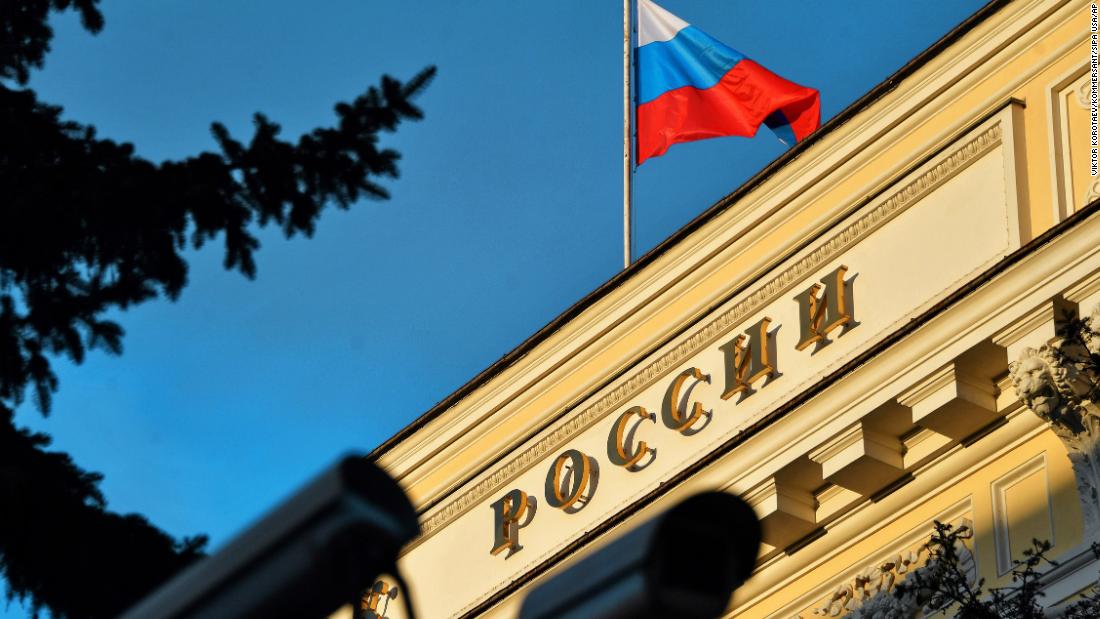
Russia has defaulted on its foreign debt, says S&P
Russia has defaulted on its foreign debt, says S&P
Russia has defaulted on its foreign debt because it offered bondholders payments in rubles, not dollars, credit ratings agency S&P has said.
 www.cnn.com
War will shrink Ukraine's economy by 45% and Russia's by 11% this year, World Bank predicts:

'Catastrophic' war will shrink Ukraine's economy by 45% and Russia's by 11% this year, World Bank predicts
"Ukraine needs massive financial support immediately as it struggles to keep its economy going," the World Bank said.
 ca.finance.yahoo.com
Told you only using rubles and backing it up with gold wouldn't work. Not how the world or economics work in this reality.

- Joined
- Nov 10, 2017
Interesting article in Tom's Hardware here
 www.tomshardware.com
From the article
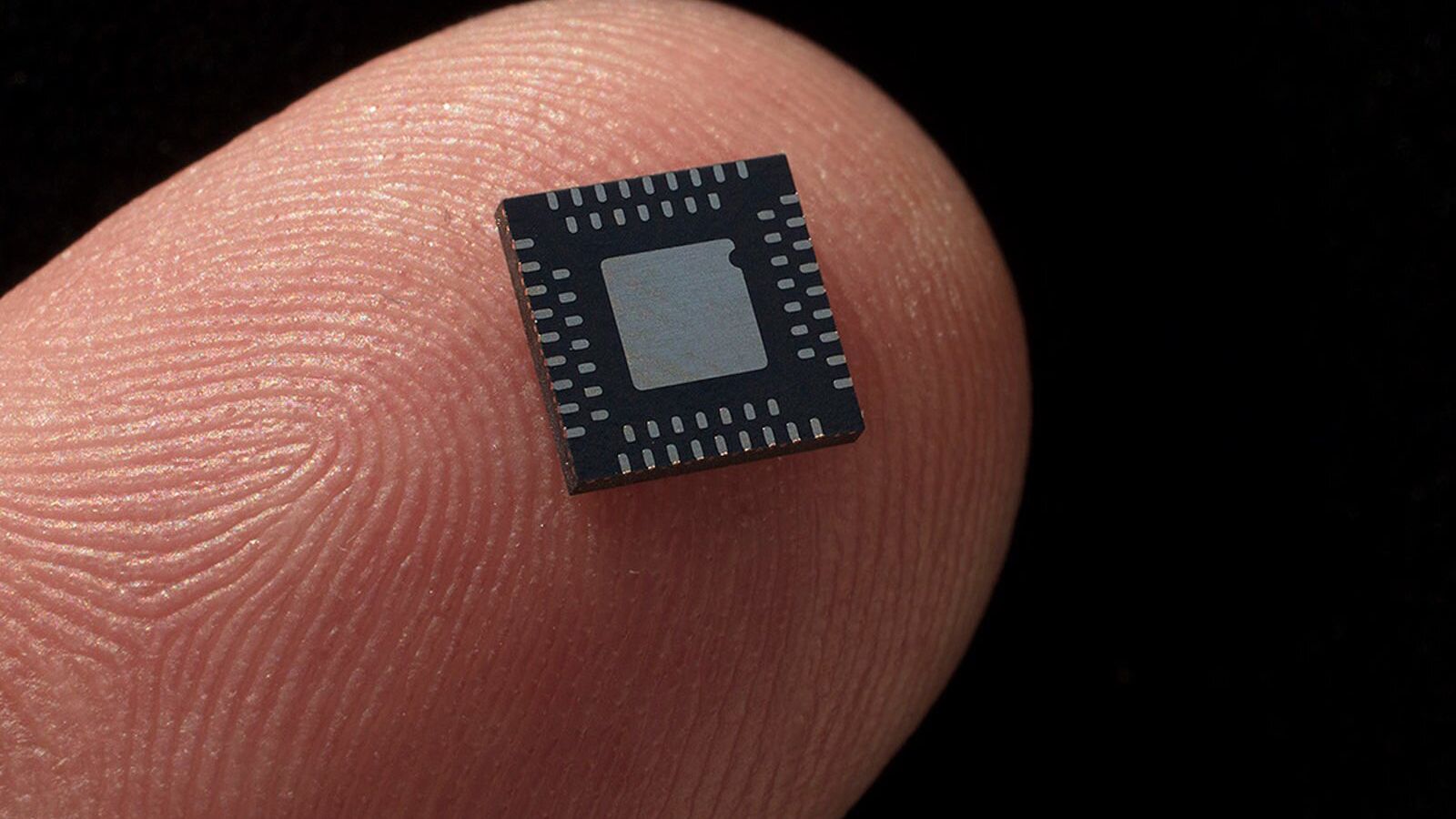
Russian Government's New Semiconductor Plan: Local 28nm by 2030
90nm by the end of 2022.
From the article
Another reason why China is sniffing Taiwan so insistently and why imo they don't want to risk war for fear of destruction of the TSMC foundary......While Russia's plan seems to contain a lot of items and sets some goals, it should be noted that so far even China has not managed to localize a substantial portion of critically important chip manufacturing.
Good luck with that.For example, while TSMC plans to hit 2nm by 2026, Russia wants 28nm local chip manufacturing by 2030.
- Joined
- Nov 10, 2017
Just picked this up from nasawatch.com
 nasawatch.com
China Is Halting Science Cooperation With Russia
????????? ??? ??????, ??? ????? “???????? ?? ?????” ?????????????? ? ?????????, TACC [Google translation] “Partners of the Russian Academy of Sciences (RAS) from China “paused” cooperation with the academy, freezing the development of previously discussed projects. This was announced on Thursday...
nasawatch.com