Conversely, the U.S.-Pakistan relationship has often prioritised short-term strategic gains over genuine trust, overlooking serious concerns such as Pakistan’s sheltering of insurgents and Osama bin Laden, as you said. In the present era, U.S.-India relations are closer than ever, built on growing defence, technology, economic, and democratic ties, demonstrating that past mistrust was mutual and not the product of Indian hostility or duplicity.
After gaining independence in 1947, India aspired to chart an independent foreign policy path, choosing
non-alignment rather than siding with either the U.S. or the USSR. However, multiple factors pushed India steadily towards a closer relationship with the Soviet Union,
largely because the United States rejected many of India's key interests and security needs during the Cold War.
Early on, U.S. policymakers were frustrated by Prime Minister Nehru's refusal to join the U.S.-led bloc and pressured India to "get on the democratic side immediately." India, for its part, aimed to avoid entanglements and maintain neutrality, especially given its anti-colonial and anti-imperial stance
123. U.S.-India relations quickly became strained due to conflicting approaches: the U.S. prioritised anti-communism, while India viewed global affairs mainly through an anti-imperialist lens, focusing on decolonisation and sovereignty.
Crucially, the U.S. soon forged a close alliance with Pakistan, providing it with substantial military and economic aid, especially during the 1950s and in the Indo-Pakistani wars of 1965 and 1971. This directly threatened India’s security and frustrated New Delhi’s attempts for American support, particularly regarding the Kashmir conflict. The U.S. also imposed sanctions on India after its 1974 nuclear test and repeatedly critiqued India's non-aligned stance, further souring relations.
On the other side, the USSR provided diplomatic, economic, and later extensive military support, most notably after signing the Indo-Soviet Treaty of Friendship and Cooperation in 1971, which helped India defend its interests in the face of U.S.-backed Pakistan. For India, Soviet support was essential to counterbalance threats from both Pakistan and, after 1962, China. India could not secure its strategic autonomy without major power backing, and the U.S. had made clear it would not fill that role at critical moments.
In 1971, East Pakistan sought to break away from its political union with West Pakistan. India backed this secession effort and, to deter potential Chinese intervention in support of West Pakistan, signed the Indo-Soviet Treaty of Friendship and Cooperation with the Soviet Union in August 1971.
This is a key moment that explains why India has remained distrustful of the U.S. & why working on trust is essential -
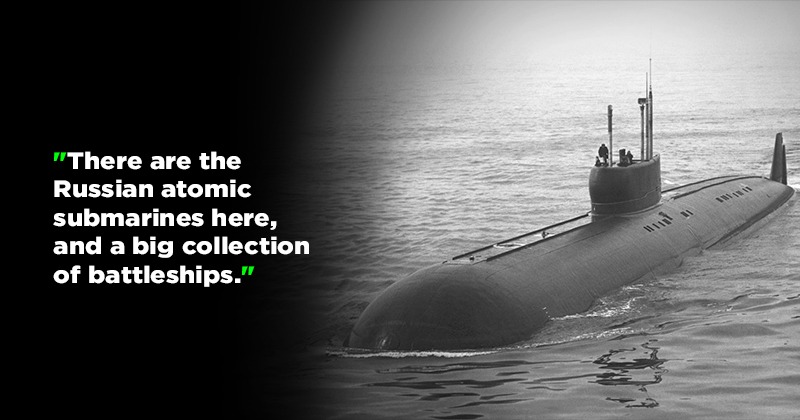
The United States deployed its 7th Fleet and the United Kingdom sent the aircraft carrier HMS Eagle during the 1971 Indo-Pakistani war to deter Indian aggression against Pakistan. The Soviet Union, responded by dispatching the Vladivostok Fleet of nuclear-armed submarines, which drove the American & British naval forces away. I agree that the USSR is not Russia, yet this is the point that shaped the distrust that is still being worked on. You can dismiss those comments as simply mean tweets or words but they aren't that when it comes to international relations. They're reckless and deeply damaging.
On August 9, 1971, India signed a 'Peace and Friendship' treaty with the Soviet Union to lay the foundations of a glorious victory in the war for the liberation of Bangladesh that took place three months later.

www.indiatimes.com
In summary, it was the
repeated U.S. rejection of India's core security and diplomatic concerns and Washington's preference for alliances with Pakistan that led India to cultivate a strong partnership with the USSR. This relationship was never a formal alliance, but it was vital for India to maintain its sovereignty and counterbalance a hostile regional environment, especially when doors in Washington remained closed