New York Times – For nearly three years before Mr. Trump’s return to power, the United States and Ukraine were joined in an extraordinary partnership of intelligence, strategy, planning and technology whose evolution and inner workings have been known only to a small circle of American and allied officials.
The idea behind the partnership was that America’s close cooperation with Ukraine would compensate for Russia’s vast advantages in manpower and weaponry. To guide the Ukrainians as they deployed their ever-more-sophisticated arsenal, the Americans created an operation called Task Force Dragon.
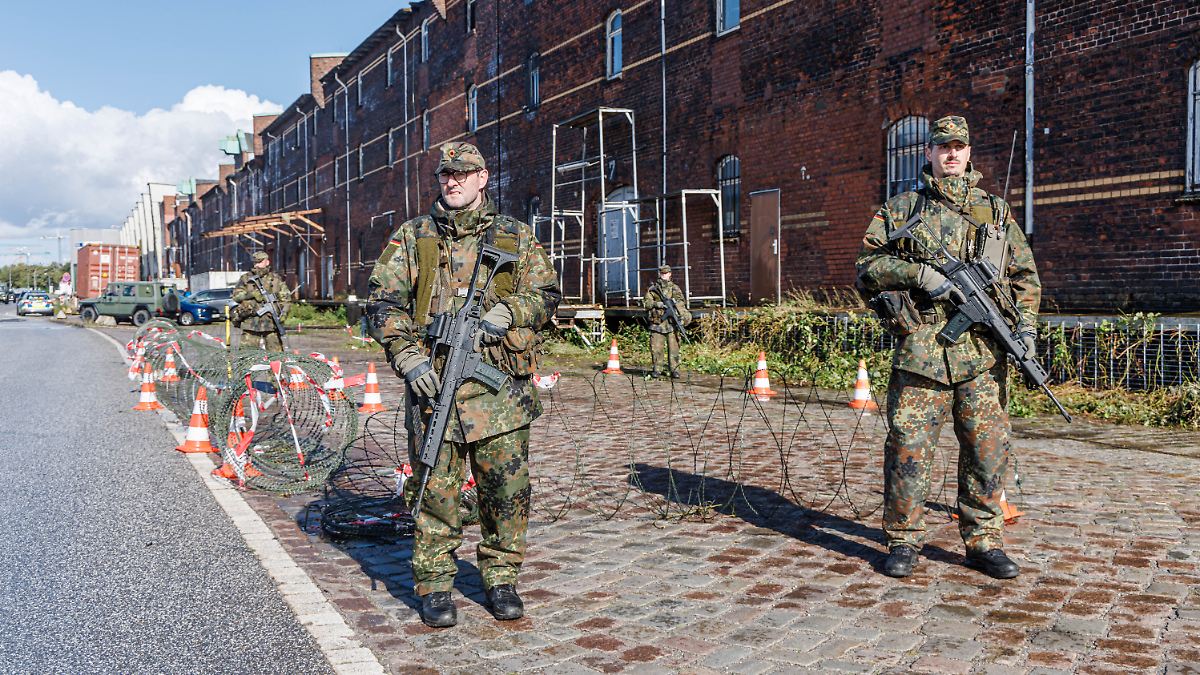
The secret center of the partnership was at the U.S. Army garrison in Wiesbaden, Germany. Each morning, U.S. and Ukrainian military officers set targeting priorities — Russian units, pieces of equipment or infrastructure. American and coalition intelligence officers searched satellite imagery, radio emissions and intercepted communications to find Russian positions. Task Force Dragon then gave the Ukrainians the coordinates so they could shoot at them.
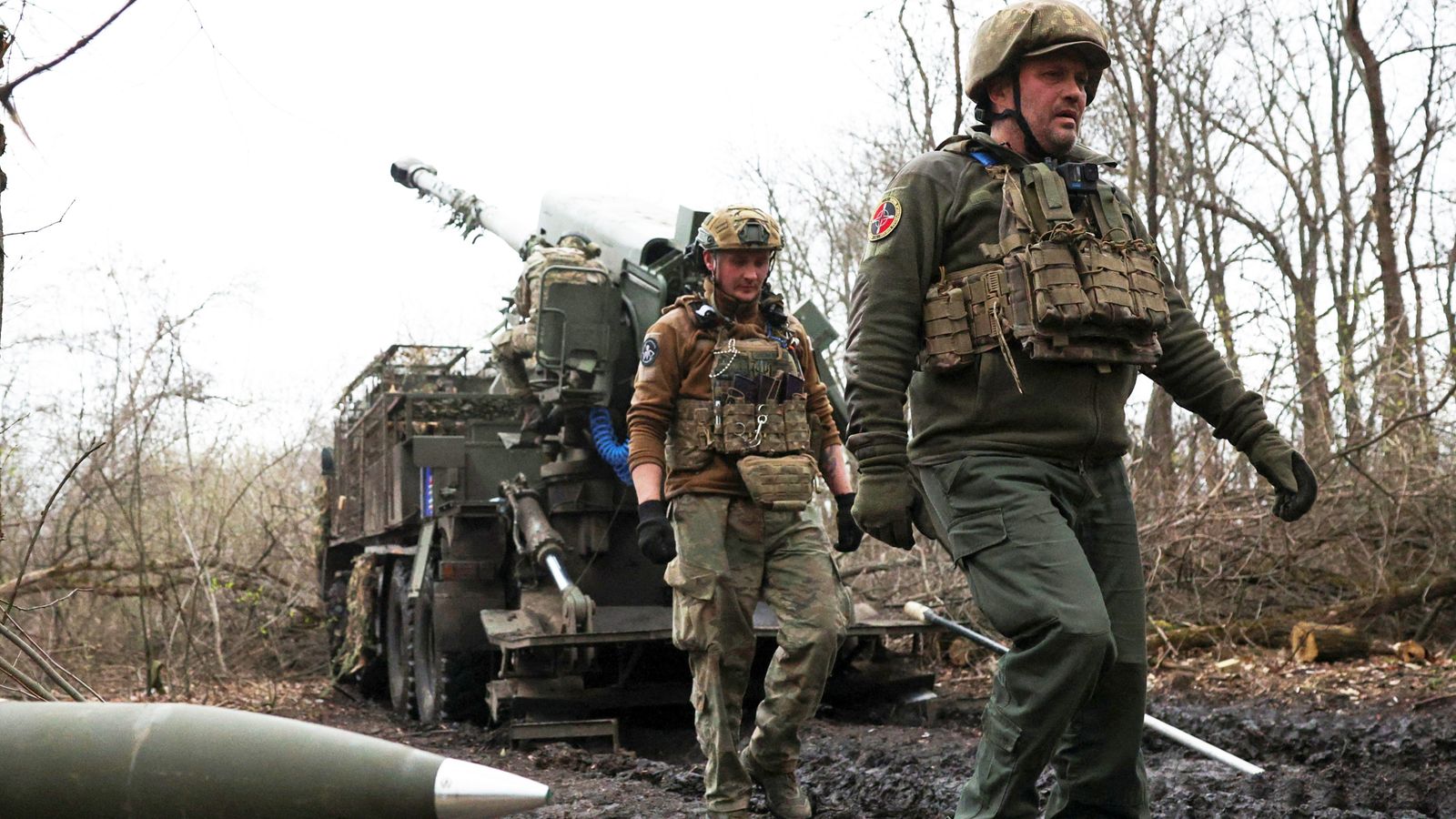
In spring 2022, the Biden administration agreed to send High Mobility Artillery Systems, or HIMARS, which used satellite-guided rockets for strikes up to 50 miles distant.
In the war’s first year, the Ukrainians were extremely dependent on the Americans for intelligence, and Task Force Dragon vetted and oversaw virtually every HIMARS strike. The strikes caused Russian casualty rates to soar.
Easing a prohibition against American boots on Ukrainian ground, Wiesbaden was allowed to put about a dozen military advisers in Kyiv. To avoid drawing public attention to their presence, the Pentagon initially called them “subject matter experts.” Later the team was expanded, to about three dozen, and the military advisers were eventually allowed to travel to Ukrainian command posts closer to the fighting.
In January 2024, U.S. and Ukrainian military officers in Wiesbaden jointly planned a campaign — using coalition-supplied long-range missiles, along with Ukrainian drones — to attack about 100 Russian military targets across Crimea. The campaign, named Operation Lunar Hail, largely succeeded in forcing the Russians to pull equipment, facilities and forces in Crimea back to the Russian mainland.
Ultimately, the U.S. military and C.I.A. were allowed to help with strikes into Russia. […] Longstanding policy barred the C.I.A. from providing intelligence on targets on Russian soil. But the C.I.A. could request “variances,” carve-outs to support strikes for specific objectives. Intelligence had identified a vast munitions depot in Toropets, 290 miles north of the Ukrainian border.
On Sept. 18, 2024, a swarm of drones slammed into the munitions depot. The blast, as powerful as a small earthquake, opened a crater the width of a football field. Later, the C.I.A. was allowed to enable Ukrainian drone strikes in southern Russia to try to slow advances in eastern Ukraine.







 www.nbcnews.com


NEW: Russian President Vladimir Putin condemned former 58th Combined Arms Army [CAA] Commander Major General Ivan Popov to command a penal assault detachment in Ukraine — a demotion and effectively a death sentence — after Popov publicly appealed to Putin for his reinstatement to active military duty.
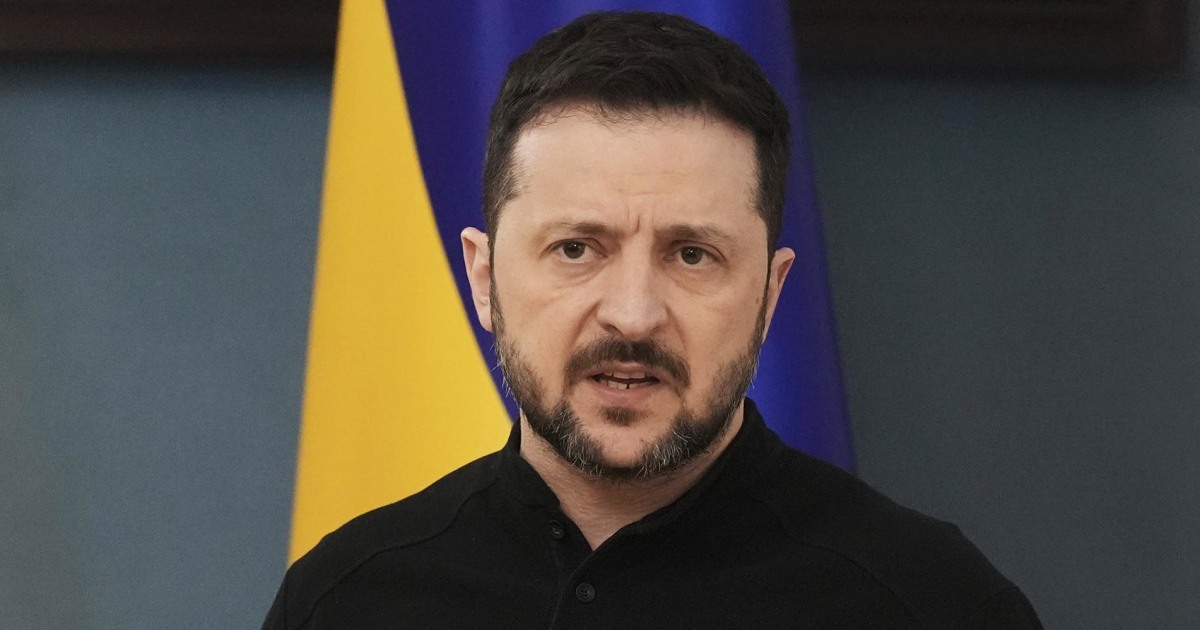
BREAKING: Zelensky requests that the U.S. provide 10 more Patriot air defense systems.
 ️Zelenskyy confirms for first time Ukraine forces active in Russia's Belgorod region