IMO we're looking at a canary-in-a-coal-mine situation, and - at least to me personally - it's more insteresting to speculate about the broader context of this matter rather than about a handful of lives lost at sea.
First - it is absolutely nobody's secret that, throughout its history of participation in various kinds of conflicts, US armed forces have committed plenty of what would today be referred to as war crimes (things like executing prisoners, torturing civilians, looting, etc.) The usual excuse that gets offered is "war is messy". I actually happen to agree. Morality in warfare is a luxury the stronger side may sometimes afford - if it chooses to - but even in that case, it's simply impossible to diligently dot all your i's. As brutal as it may sound, a certain measure of atrocity in warfare is essentially inevitable, even for the side which regards itself as morally superior (and let's be honest - they all do).
Having said that, there are two important differences between WW1/WW2/Vietnam/what have you and what is going on today:
- In older wars it was easier to sweep all that nasty stuff under the rug (and keep it away from the public eye) - but now, with cameras and real-life online video feeds, pretty much everything gets revealed, triggering media frenzies.
- The problem of soldiers engaging in war crimes has never been systemic in the USA, as in - it has never been official US policy to condone and/or encourage such behavior, and - in general - perpetrators (if caught) tended to be punished. This is in stark contrast to e.g. Russia.
I believe we might be on the cusp of a major realignment involving the second item on the above list

. It is not inconceivable that
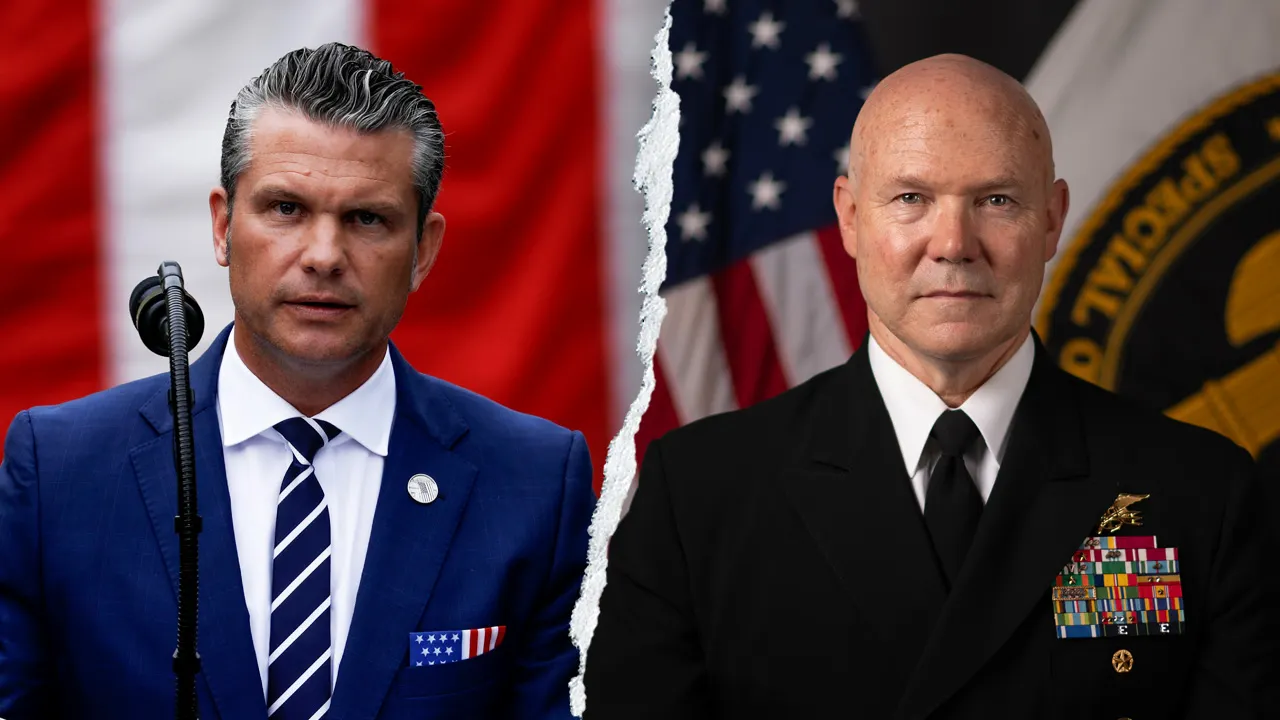
that's the real meaning of Hegseth's recent address: "We fight to win. We unleash overwhelming and punishing violence on the enemy." The guy has a long history of expressing disdain for moral restraint in warfare, so it comes as no surprise that he would want to imprint this mentality upon the entire US armed forces in his capacity as SECDEF (or is it SECWAR now?)
I also think that - perhaps for the first time ever - the American public is primed to accept this change. Most (nearly all) will do so tacitly, by saying and doing nothing to prevent it, but I'm catching a strong whiff of "It's unfortunate, but it must be done." Broadly speaking - the US society is
terrified of the future, and terrified people will let you get away with
absolutely anything if only you promise them safety.
You'd be excused for viewing all this as another step in the gradual process of transforming the United States in Russia's image.