• Guests may view all public nodes. However, you must be registered to post.

Impending Oil Supply Shortages - Strat. Oil Res. |Updates

Well Im not sure about y’all but in addition to a 55 gallon drum of Rotella, I picked up another 15 gallons of Rotella T5 and another case each of 10w40 (2 casesz) for my light trucks (Suburban and Yukon XL)

It sure did hurt but beats the alternative.

I just was thinking with the USA being energy independent (very much so) that we are going to have shortages (they are fairly tight already) its a man made issue.

If you do not have oil for your vehicles you should not count on your “Quikie Lubed” to have have it. Do something now before you need to buy a cheap discount stores band of liquid wax 😳
Bear in mind that they saw this coming back in May when memos went out from several companies to their local stores warning them of upcoming oil shortages starting in September and to prepare accordingly. Some dealerships might not be able to perform oil changes when they're due.

We've had four months warning on this.
 
How will this affect synthetic oil? I use a blend in my truck. I only have to change it twice a year.
I didn't go into any details, but according to a search, synthetic oil is going to be affected as well. I would love to know the science behind that, but I don't have time to research it right now.
 
I didn't go into any details, but according to a search, synthetic oil is going to be affected as well. I would love to know the science behind that, but I don't have time to research it right now.
Im wondering if it simply a suppy and demand issue. Synthetic will by short because the vast majority who use conventional (or a blend) will be forced to pay more and buy synthetic.

Supply and demand (?)
 
I didn't go into any details, but according to a search, synthetic oil is going to be affected as well. I would love to know the science behind that, but I don't have time to research it right now.
  • Many synthetic oils are made from petroleum-derived feedstocks. Even though synthetic oil is highly refined or chemically engineered, much of its raw material ultimately comes from crude oil or natural-gas-based hydrocarbons.
  • Refineries produce the starting chemicals. A crude-oil shortage canreduce availability of the base stocks and chemical intermediates used to manufacture synthetic lubricants.
  • Prices can rise. Scarcer petroleum feedstocks increase production andtransportation costs, making synthetic oil more expensive.
  • Supply chains are interconnected. A shortage of crude can also affect additives, packaging, transportation, and refinery capacity, creating additional constraints.
 
That is a great question. I have no idea. I'll see of I can find out.
I did a little digging, and this is what I found. 👇

Yes, synthetic motor oil is currently affected by the global oil shortage, with supply disruptions expected to continue until at least mid-2027.

Supply Chain Disruptions

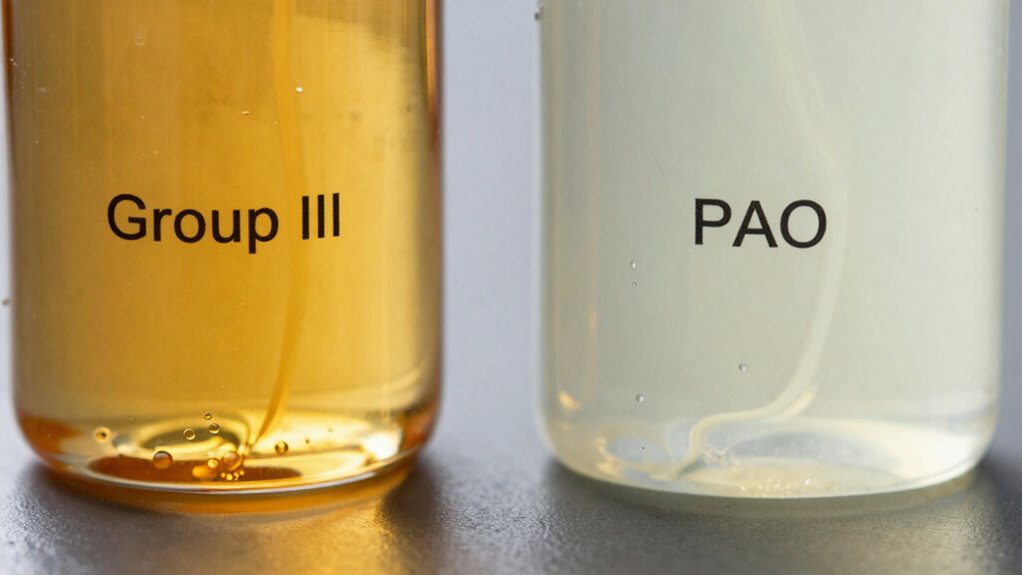
Synthetic motor oil relies heavily on Group III base oils, which are primarily sourced from the Middle East and South Korea. The ongoing conflict in the Middle East, particularly involving Iran, has disrupted these supplies, with Gulf-region base oils potentially running dry by June 2026. South Korean refiners, which supply roughly 30% of U.S. Group III base oils, also depend on Middle Eastern crude, and many refiners are prioritizing diesel and jet fuel production over base oils, further tightening supply
This is a little misleading though because apparently there are two groups of synthetic oil. Group III and Group IV or PAO. Group III is a highly refined mineral based oil and Group IV is not
  • Group III oils are highly refined mineral oils produced via hydrocracking, offering performance close to synthetic oils.
  • PAO (Polyalphaolefin) oils are synthetic, made through chemical polymerization, providing superior stability and oxidation resistance.
  • Hydrocracking and hydroprocessing are advanced refining techniques that convert heavy fractions into high-quality, purified base oils like Group III.
  • Group III oils are considered “synthetic” in some regions due to their refining process, but they are technically highly refined mineral oils.
  • PAO oils are true synthetics, engineered from petrochemical bases, delivering consistent molecular structure and enhanced engine protection.

Current Availability of PAO Synthetic Oil

Yes — PAO synthetic oil is still available in the U.S. market, but supply is tighter than in past years, with higher prices and limited spot availability for premium grades.

Market status

Recent data shows that PAO (Group IV) base oils remain in production and are being supplied to lubricant manufacturers, but global capacity is much smaller than for Group III oils, making them inherently more constrained. In North America, Q1 2026 saw U.S. PAO prices rise about 1.9% quarter‑on‑quarter to around USD 3,171/MT, supported by stronger automotive aftermarket demand and forward procurement by distributors. In June 2026, the U.S. Polyalphaolefin Price Index was up 20% QoQ, with “tighter spot availability” and “constrained prompt availability” noted in industry reports.
  • Geopolitical disruptions in the Middle East, including damage to Qatar’s Pearl GTL facility and Strait of Hormuz restrictions, have hit premium base oil production and shipping, indirectly affecting PAO supply.
  • Global capacity for PAO is far smaller than for Group III oils, so even without major disruptions, availability is more limited
  • Inventory balances are tight in some regions, with suppliers prioritizing allocations for high‑margin products.
Prices: Expect higher costs than in prior years, with some synthetic segments seeing 15–35%+ price increases in 2026.
Bottom line:
PAO synthetic oil is not “out of stock” in the U.S., but supply is tighter and prices are elevated due to structural capacity limits and geopolitical disruptions. For the best results, plan ahead and confirm availability with your oil supplier before placing large orders.
 
Im wondering if it simply a suppy and demand issue. Synthetic will by short because the vast majority who use conventional (or a blend) will be forced to pay more and buy synthetic.

Supply and demand (?)
You nailed it! 👍 The capacity to make PAO synthetic is just not there to make up the shortfall. We really need to start building more shit in America. IMO
 
With grain of salt, I’m see an increase of fb reels warning of Trucker 1 day shutdown on Oct 1, only Yahoo.com is reporting reporting it so far.


This probably a BS Reel posting. However FB has a substantial audience, if bogus and enough people act , we could have escalating panic buying of basic resources like Water, food, and fuel. Artificially causing shortages several days before Oct 1.

As preppers know these can escalate quickly and having major implications to supply chains. If not already, DWS might want to observe this since we are only 10 days away from Oct 1 +/-3 days.
 
While gas prices are high, there is no denying that.
The average Highs are still . 70 cents lower than during the Biden administration.

So while I can understand the frustration that prices are high, I don’t understand the outrage now vs then. Other than political of course. Because the outrage tracks.
 
My drivers do not pay for fuel. Other than something to grouse about, it does not affect them in a way they see.

But the owner-operators know its hurting them and complain so the vast majority of average drivers complain too.

Keeping up with the cool kids. Just like Iraq when Delta’s come through. After that everyone wanted to dress in tacticool like the stars of the show.

I dont think many drivers will basically strike against oil companies who will not pay their bills.

Now the cross country and long haul drivers are a mixed group as to paying for fuel, without some owners and some employees/contractors.

A one day stop is no more inconvenience than bad weather. Solid waste of time. The media will carry it, everyone get to be super empowered then the next day
 
Last edited:
Why Truckers are Pi*sed At Trump

The shutdown claim started from unverified social media videos and AI-generated memes on platforms like TikTok, Facebook, and Instagram in mid-September 2026. Major groups like the Owner-Operator Independent Drivers Association (OOIDA) report no knowledge of an organized strike, dismissing it as online chatter. The International Brotherhood of Teamsters has not announced or authorized any such strike action.

President Donald Trump's investment accounts purchased millions of dollars in additional oil and gas stocks around the start and progression of the Iran conflict. He held $45.6 million in energy stocks by end of 2025, bought up to $3.6 million in early 2026, and added energy shares during market dips in March 2026.

Trump’s oil investments have gained millions during Iran war as his accounts keep trading

Trump's oil and gas stock trades continued during Iran war, filings show

Trump energy investments gain millions during Iran war

‘A huge problem’: Trump has traded more stocks than all of Congress combined. A Bush-era ethics lawyer explains why you should worry
 
Last edited:
My drivers do not pay for fuel. Other than something to grouse about, it does not affect them in a way they see.

But the owner-operators know its hurting them and complain so the vast majority of average drivers complain too.

Keeping up with the cool kids. Just like Iraq when Delta’s come through. After that everyone wanted to dress in tacticool like the stars of the show.

I dont think many drivers will basically strike against oil companies who will not pay their bills.

Now the cross country and long haul drivers are a mixed group as to paying for fuel, without some owners and some employees/contractors.

A one day stop is no more inconvenience than bad weather. Solid waste of time. The media will carry it, everyone get to be super empowered then the next day
Hell it's probably a great time to be a trucker who needs some extra hours..
 
In my clumsy post, there is still risk of panic buying as mentioned if enough viewers from what ever platform viewed, they may decide panic buy. When some yells FIRE or GUNSHOTS in a movie theater most people are going to panic.


If pre shutdown panic buying starts and truckers do stay on road, the chaos and re-lag is still an issue!

The critical truth of logistics: consumer panic alone can break a supply chain, even if the actual trucks never stop moving.
Logisticians call this a "phantom shortage." When consumers begin panic buying in anticipation of a crisis, they create an artificial demand spike that the "just-in-time" supply chain is physically incapable of handling. The chaos and the subsequent re-lag remain severe realities.

Here is how the chaos and recovery timeline unfold even if 100% of truckers stay on the road:
1. The Retail Depletion (The Immediate Chaos)
Grocery stores, big-box retailers and gas stations do not keep large back stocks of inventory; they rely on constant, daily deliveries to replenish what was sold the day before.
  • The Surge: If panic sets in, a store that normally sells 100 gallons of milk or 5,000 gallons of fuel a day might suddenly see demand jump to 500 gallons of milk and 20,000 gallons of fuel.
  • The Empty Shelf: Even if a truck is scheduled to arrive at its normal time tomorrow, the shelf goes completely bare today. To the public, an empty shelf looks like total system failure, which feeds the panic and triggers a wider run on nearby stores.
2. The Distribution Center Chokepoint
When retail stores see their shelves wiped out, they automatically blast emergency re-orders to regional distribution warehouses.
  • The Warehouse Bottleneck: Warehouses have a fixed number of loading docks, forklifts, and workers. They cannot physically load trucks five times faster just because demand spiked.
  • The Truck Shortage: Even though truckers didn't strike, there is suddenly a severe shortage of available trucks and drivers to handle the artificial emergency volume. A driver who normally makes one predictable delivery a day is now being asked to do three, pushing them past legal driving hours and causing immediate shipping delays.
3. The Multi-Week "Re-Lag" (The Bullwhip Effect)
Once the panic buying subsides—either because people run out of money, storage space, or realize the truckers didn't actually stop—the supply chain enters a painful recovery lag that can take 1 to 2 weeks to iron out:
  • The Transportation Backlog: Trucks will spend days playing catch-up, prioritizing high-velocity essentials (like milk, bread, and fuel) while lower-priority goods sit stranded at warehouses, throwing off normal retail inventory for weeks.
  • The "Bullwhip" Hangover: Because stores panicked and over-ordered goods from the factories, massive waves of inventory will suddenly arrive two weeks later, right when consumer demand has cratered. Stores become buried in excess stock, warehouses run out of storage room, and freight rates fluctuate wildly.
The Psychological Danger
The danger of a pre-shutdown panics that public perception becomes reality. If people believe there will be a shortage, their hoarding creates the shortage. The physical infrastructure—the trucks, the roads, the drivers—remains perfectly intact, yet the average citizen still experiences empty grocery shelves, lines at the pump, and a feeling of national instability. This vulnerability is exactly what asymmetric adversaries exploit: they don't even need to successfully bomb a pipeline or stop a truck to cause domestic havoc; they just need to convince the public that it is about to happen.
How major retailers use AI and predictive analytics to try and stop this type of hoarding behavior and how state governments can implement anti-price-gouging laws to calm public panic is in question!

I'm not trying to be an alarmist, rather to provide real implications. Perhaps this should be moved the Preparedness thread on forum.
 
Last edited:
In my clumsy post, there is still risk of panic buying as mentioned if enough viewers from what ever platform viewed, they may decide panic buy. When some yells FIRE or GUNSHOTS in a movie theater most people are going to panic.


If pre shutdown panic buying starts and truckers do stay on road, the chaos and re-lag is still an issue!

The critical truth of logistics: consumer panic alone can break a supply chain, even if the actual trucks never stop moving.
Logisticians call this a "phantom shortage." When consumers begin panic buying in anticipation of a crisis, they create an artificial demand spike that the "just-in-time" supply chain is physically incapable of handling. The chaos and the subsequent re-lag remain severe realities.

Here is how the chaos and recovery timeline unfold even if 100% of truckers stay on the road:
1. The Retail Depletion (The Immediate Chaos)
Grocery stores, big-box retailers and gas stations do not keep large back stocks of inventory; they rely on constant, daily deliveries to replenish what was sold the day before.
  • The Surge: If panic sets in, a store that normally sells 100 gallons of milk or 5,000 gallons of fuel a day might suddenly see demand jump to 500 gallons of milk and 20,000 gallons of fuel.
  • The Empty Shelf: Even if a truck is scheduled to arrive at its normal time tomorrow, the shelf goes completely bare today. To the public, an empty shelf looks like total system failure, which feeds the panic and triggers a wider run on nearby stores.
2. The Distribution Center Chokepoint
When retail stores see their shelves wiped out, they automatically blast emergency re-orders to regional distribution warehouses.
  • The Warehouse Bottleneck: Warehouses have a fixed number of loading docks, forklifts, and workers. They cannot physically load trucks five times faster just because demand spiked.
  • The Truck Shortage: Even though truckers didn't strike, there is suddenly a severe shortage of available trucks and drivers to handle the artificial emergency volume. A driver who normally makes one predictable delivery a day is now being asked to do three, pushing them past legal driving hours and causing immediate shipping delays.
3. The Multi-Week "Re-Lag" (The Bullwhip Effect)
Once the panic buying subsides—either because people run out of money, storage space, or realize the truckers didn't actually stop—the supply chain enters a painful recovery lag that can take 1 to 2 weeks to iron out:
  • The Transportation Backlog: Trucks will spend days playing catch-up, prioritizing high-velocity essentials (like milk, bread, and fuel) while lower-priority goods sit stranded at warehouses, throwing off normal retail inventory for weeks.
  • The "Bullwhip" Hangover: Because stores panicked and over-ordered goods from the factories, massive waves of inventory will suddenly arrive two weeks later, right when consumer demand has cratered. Stores become buried in excess stock, warehouses run out of storage room, and freight rates fluctuate wildly.
The Psychological Danger
The danger of a pre-shutdown panics that public perception becomes reality. If people believe there will be a shortage, their hoarding creates the shortage. The physical infrastructure—the trucks, the roads, the drivers—remains perfectly intact, yet the average citizen still experiences empty grocery shelves, lines at the pump, and a feeling of national instability. This vulnerability is exactly what asymmetric adversaries exploit: they don't even need to successfully bomb a pipeline or stop a truck to cause domestic havoc; they just need to convince the public that it is about to happen.
How major retailers use AI and predictive analytics to try and stop this type of hoarding behavior and how state governments can implement anti-price-gouging laws to calm public panic is in question!

I'm not trying to be an alarmist, rather to provide real implications. Perhaps this should be moved the Preparedness thread on forum.
I'm thankful you mentioned it and I'm thankful RiffRaff mentioned the oil and gas.

I had the same thoughts of people panic buying as well with the possible truck stoppage. Family members and friends have been talking about October 1st for a bit and they have been gathering extra supplies.
 
I'm thankful you mentioned it and I'm thankful RiffRaff mentioned the oil and gas.

I had the same thoughts of people panic buying as well with the possible truck stoppage. Family members and friends have been talking about October 1st for a bit and they have been gathering extra supplies.
Think Toilet paper🤭
 
Back
Top Bottom