• Guests may view all public nodes. However, you must be registered to post.

Lets Talk Oil-(CLOSED)

Status
Not open for further replies.
So who is this individual???????🤔

Amjad Taha is one of the figures who is central to Israel’s public diplomacy attempts targeting Arab audiences, specifically regarding the normalization of relations between the kingdom of Bahrain and Israel.

After the 2020 “normalization” agreement between the United Arab Emirates and Israel, Taha traveled to Israel and met with several important figures in in Israel. The trip was sponsored by the Sharaka institution.

“I assume the Palestinian [terrorist] organizations will try attacking civilian targets in Israel with missiles. But, the support for them and for the PLO in the Arab world is waning. Many Palestinians in the Emirates and other Gulf states are calling for the downfall of the Palestinian Authority because of the corruption in it and its inability to achieving anything at all for the Palestinians.”


Taha is of Iranian-Bahraini origin and currently resides in England.

 
updated today 1-page intelligence brief with a clear Europe conclusion integrated:
INTELLIGENCE BRIEF
Global Gulf Oil & Petrochemical Flows (2024–2026)

EXECUTIVE SUMMARY
  • Gulf exports: ~20M bpd crude + ~5–6M bpd refined products
  • ~20% of global oil supply transits the Strait of Hormuz
  • Asia dominates demand (65–75%), led by China
  • Europe is a secondary but growing sink, increasingly reliant on refined fuels
  • System is centralized and chokepoint vulnerable
KEY PRODUCERS (EXPORT CAPACITY)
  • Saudi Arabia: 6.5–7.2M bpd
  • Iraq: 3.0–3.5M bpd
  • UAE: 2.5–3.0M bpd
  • Kuwait: 2.0–2.5M bpd
  • Iran: 2.0–2.6M bpd
  • Qatar: 1.2–1.5M bpd (oil) + LNG
PRIMARY RECIPIENTS (BPD)
TIER 1 – STRATEGIC DEPENDENCY
  • China: 8–10M bpd
  • India: 2.5–3.5M bpd
  • Japan: 2–2.7M bpd
  • South Korea: 1.8–2.3M bpd

TIER 2 – SECONDARY MARKETS
  • Southeast Asia: ~2–3M bpd
  • Europe: ~2–3M bpd crude + ~1.5–2.0M bpd refined products
TIER 3 – LIMITED DEPENDENCY

United States: ~0.5–1.0M bpd

EUROPE – DETAILED CONCLUSION

  • Total Gulf-origin hydrocarbons to Europe: ~3.5–5.0M bpd equivalent
    • Crude oil: ~2–3M bpd
    • Refined products (diesel/jet): ~1.5–2.0M bpd

Key characteristics:
  • Rapid increase post-Russia supply reduction
  • Heavy reliance on:
    • Diesel imports (transport + industry critical)
    • Jet fuel (aviation recovery demand)
  • Major suppliers:
    • Saudi Arabia
    • UAE
    • Kuwait
    • Iraq
👉 Assessment:

Europe is now a structural secondary dependency zone, especially vulnerable in refined fuels rather than crude supply

IRAN (SPECIAL CASE)
  • Exports: ~2.0–2.6M bpd
  • ~85–90% → China
  • Minimal direct European exposure
FLOW DISTRIBUTION
  • Asia: 65–75%
  • Europe: ~15–20% (including refined products)
  • Americas: 3–5%
  • Re-export hubs: 5–10
CRITICAL INFRASTRUCTURE
  • Strait of Hormuz
    • ~17–20M bpd throughput
    • Primary global oil chokepoint
ASSESSMENT

Structural Realities
  • Asia = dominant demand center
  • Europe = growing dependency via refined fuels
  • China = global anchor customer
Vulnerabilities
  • Hormuz chokepoint disruption
  • European diesel dependency
  • Concentration of flows into limited routes
BOTTOM LINE
  • Europe receives ~3.5–5.0M bpd of Gulf hydrocarbons
  • This includes a critical ~1.5–2.0M bpd of refined fuels
  • While smaller than Asia, Europe’s fuel-type dependency (diesel) creates high economic vulnerability
  • Global stability remains tied to uninterrupted flow through the Strait of Hormuz
 
Oil markets sliding higher Brent 114, WTI 76, Russian oil 103 way up!
 
Iran exports by way of government Customs snd exise report.
IRAN (SPECIAL CASE)
  • Exports: ~2.0–2.6M bpd
  • ~85–90% → China
  • Minimal direct European exposure
85-90% of the safety needshould required by Chinese shipping safety fleets,

Europe was fine before US Israeli War on Iran,
A big beautiful IF👉then, can only be pondered?
 
Little oil prices update since my last report

After stagnating at 2€/l for diesel and 1.95€/l for unleaded, it just rose to 2.1€/l for diesel and 1.98€/l

That's in Lézignan-Corbières, South France
Following my reports of diesel's evolution of price in south France

After rising to 2.1€ per liter yesterday,
today March 19th, it went down to 2.05€ per liter.

Praise the holy baguette for such mercy XD

All those prices are for diesel, i don't follow unleaded's price

That's in Lézignan-Corbières, South France
 
Oil midday
WTI $97, Brent and Russian oil ties $110
 
Massive Gold and Silver sell off or profit taking,
If you sold at 5100 or higher, you coming into and entrance again Silver is fully retracting looking as tho 59$ oz is coming into target range again,
Sorry for the bloke who bought hi, 💵💵💵💵
🔮🔮🔮🔮
 
The next we are going review
Who controls oil?
Whats companies are they players and they countries they control

The money as published they make,

If you are paying high gas prices, you may find it painfully revealling,

we might peak at the elctric vehicle market, as high picing at the pumps may see the E vehicle market increase🤔
Stay tuned
 
Today, the Department of the Treasury is issuing a narrowly tailored, short-term authorization permitting the sale of Iranian oil currently stranded at sea.

At present, sanctioned Iranian oil is being hoarded by China on the cheap. By temporarily unlocking this existing supply for the world, the United States will quickly bring approximately 140 million barrels of oil to global markets, expanding the amount of worldwide energy and helping to relieve the temporary pressures on supply caused by Iran. In essence, we will be using the Iranian barrels against
against Tehran to keep the price down as we continue Operation Epic Fury.

 
Great news the ships must be all moving to move that much oil, Pretty quick🤔

🫰🪄quoted from above tweet,

🎉🎉At present, sanctioned Iranian oil is being hoarded by China on the cheap. By temporarily unlocking this existing supply for the world, the United States will quickly bring approximately 140 million barrels of oil to global markets, expanding the amount of worldwide energy and helping to relieve the temporary pressures on supply caused by Iran. In essence, we will be using the Iranian barrels against Tehran to keep the price down as we continue Operation Epic Fury.This temporary, short-term authorization is strictly limited to oil that is already in transit and does not allow new purchases or production. Further, Iran will have difficulty accessing any revenue generated and the United States will continue to maintain maximum pressure on Iran and its ability to access the international financial system.So far, the Trump Administration has been working to bring around 440 million additional barrels of oil to the global market, undercutting Iran’s ability to leverage its disruptions in the Strait of Hormuz.

How did this get transported? 🤔
 
Great news the ships must be all moving to move that much oil, Pretty quick🤔

🫰🪄quoted from above tweet,

🎉🎉At present, sanctioned Iranian oil is being hoarded by China on the cheap. By temporarily unlocking this existing supply for the world, the United States will quickly bring approximately 140 million barrels of oil to global markets, expanding the amount of worldwide energy and helping to relieve the temporary pressures on supply caused by Iran. In essence, we will be using the Iranian barrels against Tehran to keep the price down as we continue Operation Epic Fury.This temporary, short-term authorization is strictly limited to oil that is already in transit and does not allow new purchases or production. Further, Iran will have difficulty accessing any revenue generated and the United States will continue to maintain maximum pressure on Iran and its ability to access the international financial system.So far, the Trump Administration has been working to bring around 440 million additional barrels of oil to the global market, undercutting Iran’s ability to leverage its disruptions in the Strait of Hormuz.

How did this get transported? 🤔
Iran knew this was coming and expedited shipments.
Sort of like throwing spaghetti against the wall and see what sticks in regards to what would actually get delivered, and to whom.
 
Ok, 680,000,000 barrelsbof oil freed up, Not being a mathetictian 1.863m/bbls oil/day, the above statement suggests its being freed to the global needs?

A report of China take from the Iranian theatre
Beijing has not disclosed its oil imported from Iran since 2022, so data only comes from third parties and can be opaque. Iranian oil is transshipped through countries such as Malaysia and Indonesia before reaching China. Iran and China engage in oil for infrastructure arrangements to obfuscate payments. Multiple Chinese and Westernsources estimate that approximately 90 percent of Iran’s crude oil exports end up in China. Kpler’s figure of 1.38 million barrels per day is widely cited for China’s imports of Iranian oil in 2025, including by Reuters, South China Morning Post, and The Diplomat.
1.38m/mbbls/dayc365=503,700,00bbls/y

If you have read this far , congrats, the politicians are playing feldecarb with the publics brains.

did you do the math?
after the math based on china shipping, extremely little is left for the world,,,gas prices and food still go up,
Please, where does any of the political math work, anyone?
 
updated today 1-page intelligence brief with a clear Europe conclusion integrated:
INTELLIGENCE BRIEF
Global Gulf Oil & Petrochemical Flows (2024–2026)

EXECUTIVE SUMMARY
  • Gulf exports: ~20M bpd crude + ~5–6M bpd refined products
  • ~20% of global oil supply transits the Strait of Hormuz
  • Asia dominates demand (65–75%), led by China
  • Europe is a secondary but growing sink, increasingly reliant on refined fuels
  • System is centralized and chokepoint vulnerable
KEY PRODUCERS (EXPORT CAPACITY)
  • Saudi Arabia: 6.5–7.2M bpd
  • Iraq: 3.0–3.5M bpd
  • UAE: 2.5–3.0M bpd
  • Kuwait: 2.0–2.5M bpd
  • Iran: 2.0–2.6M bpd
  • Qatar: 1.2–1.5M bpd (oil) + LNG
PRIMARY RECIPIENTS (BPD)
TIER 1 – STRATEGIC DEPENDENCY
  • China: 8–10M bpd
  • India: 2.5–3.5M bpd
  • Japan: 2–2.7M bpd
  • South Korea: 1.8–2.3M bpd

TIER 2 – SECONDARY MARKETS
  • Southeast Asia: ~2–3M bpd
  • Europe: ~2–3M bpd crude + ~1.5–2.0M bpd refined products
TIER 3 – LIMITED DEPENDENCY

United States: ~0.5–1.0M bpd

EUROPE – DETAILED CONCLUSION

  • Total Gulf-origin hydrocarbons to Europe: ~3.5–5.0M bpd equivalent
    • Crude oil: ~2–3M bpd
    • Refined products (diesel/jet): ~1.5–2.0M bpd

Key characteristics:
  • Rapid increase post-Russia supply reduction
  • Heavy reliance on:
    • Diesel imports (transport + industry critical)
    • Jet fuel (aviation recovery demand)
  • Major suppliers:
    • Saudi Arabia
    • UAE
    • Kuwait
    • Iraq
👉 Assessment:

Europe is now a structural secondary dependency zone, especially vulnerable in refined fuels rather than crude supply

IRAN (SPECIAL CASE)
  • Exports: ~2.0–2.6M bpd
  • ~85–90% → China
  • Minimal direct European exposure
FLOW DISTRIBUTION
  • Asia: 65–75%
  • Europe: ~15–20% (including refined products)
  • Americas: 3–5%
  • Re-export hubs: 5–10
CRITICAL INFRASTRUCTURE
  • Strait of Hormuz
    • ~17–20M bpd throughput
    • Primary global oil chokepoint
ASSESSMENT

Structural Realities
  • Asia = dominant demand center
  • Europe = growing dependency via refined fuels
  • China = global anchor customer
Vulnerabilities
  • Hormuz chokepoint disruption
  • European diesel dependency
  • Concentration of flows into limited routes
BOTTOM LINE
  • Europe receives ~3.5–5.0M bpd of Gulf hydrocarbons
  • This includes a critical ~1.5–2.0M bpd of refined fuels
  • While smaller than Asia, Europe’s fuel-type dependency (diesel) creates high economic vulnerability
  • Global stability remains tied to uninterrupted flow through the Strait of Hormuz
Beijing has not disclosed its oil imported from Iran since 2022, so data only comes from third parties and can be opaque. Iranian oil is transshipped through countries such as Malaysia and Indonesia before reaching China. Iran and China engage in oil for infrastructure arrangements to obfuscate payments. Multiple Chinese and Westernsources estimate that approximately 90 percent of Iran’s crude oil exports end up in China. Kpler’s figure of 1.38 million barrels per day is widely cited for China’s imports of Iranian oil in 2025, including by Reuters, South China Morning Post, and The Diplomat.
 
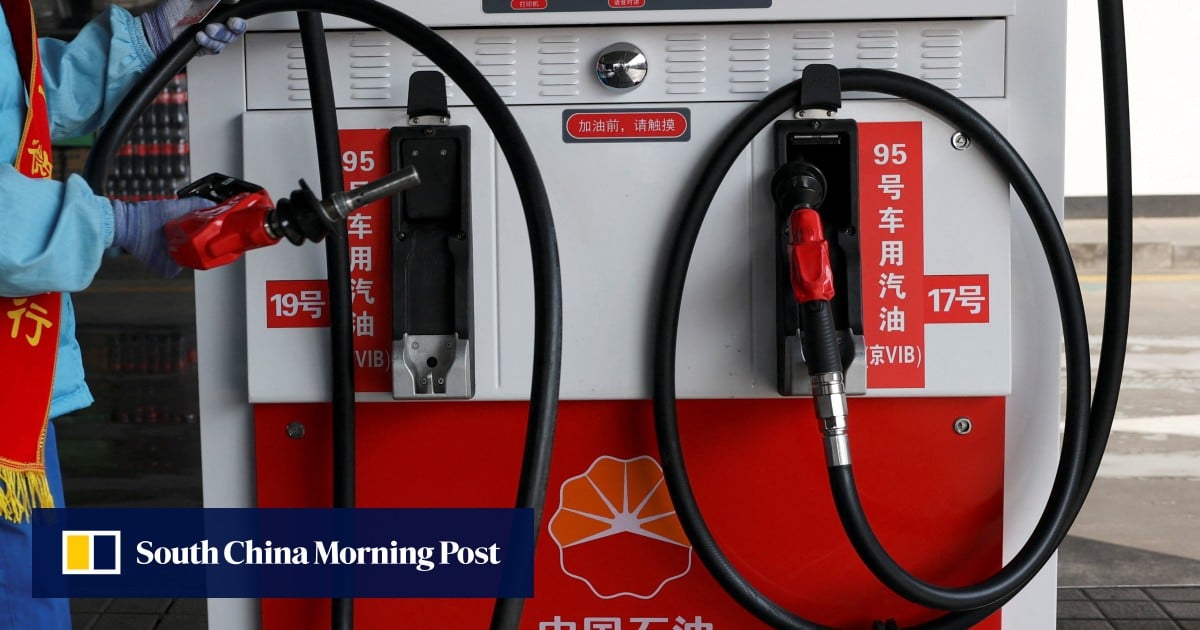
China’s imports of discounted Russian crude oil surged in January and February, though analysts suggest volumes could moderate in the coming months as the war in Iranincreases global competition for Russian oil.

In the first two months of the year, Russia’s shipments of crude to China rose 40.9 per cent year on year to 21.8 million tonnes, according to Chinese customs data released on Friday.
 
Status
Not open for further replies.
Back
Top Bottom